


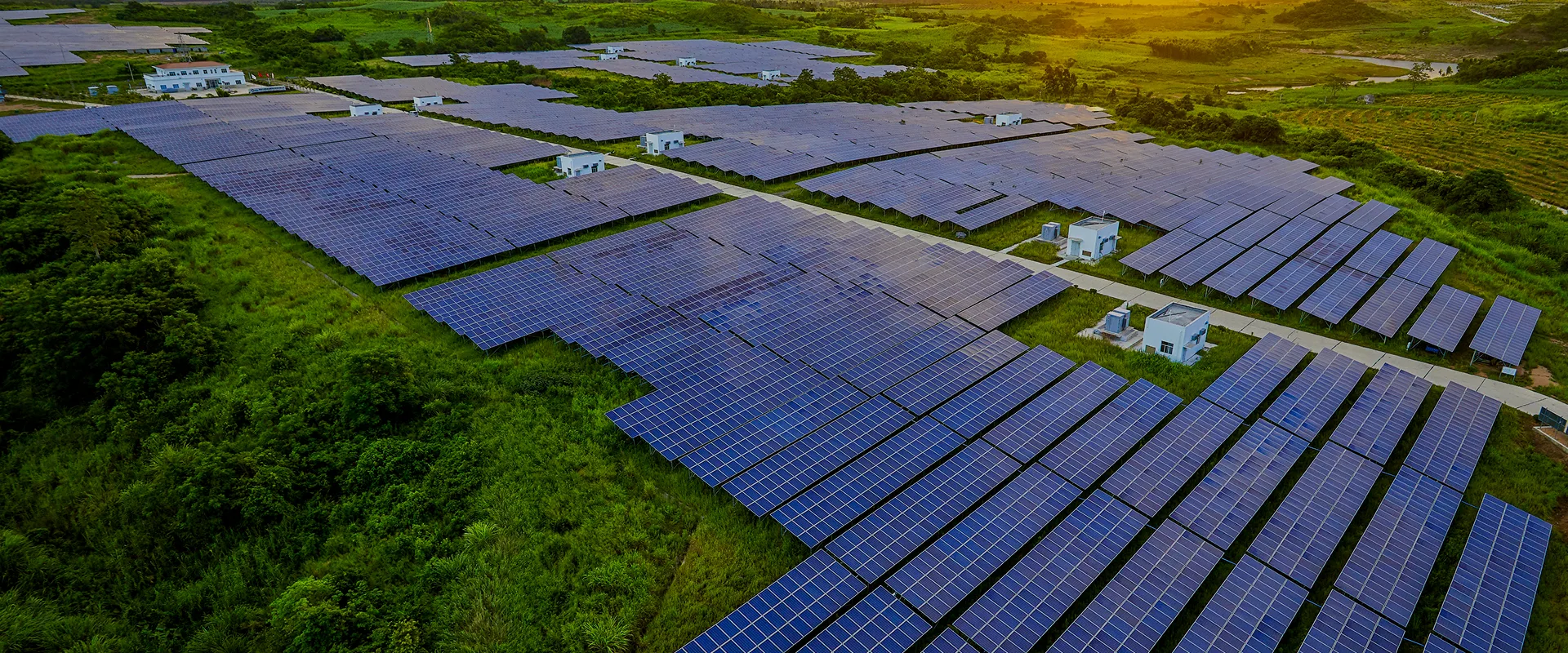
As solar energy solutions become increasingly popular, homeowners and businesses are presented with two main options for their solar systems: grid-tied and off-grid solar. Choosing between these systems depends on a variety of factors, including location, energy needs, budget, and personal preferences. Grid-tied systems connect to the local utility grid, allowing users to send excess power back to the grid, while off-grid systems operate independently, relying on solar panels and battery storage. But which system is right for you? In this article, we’ll discuss the key differences between grid-tied and off-grid solar systems and introduce how Ktech Energy can help you choose a good solution.
At Ktech, we are a trusted off-grid inverter supplier, committed to providing innovative energy solutions to meet the diverse needs of our customers. Through strategic market expansion and strong customer relationships, we have become an integral partner for energy providers across markets in Europe, Africa, and the United States. Our company has also optimized its technical support system, utilizing the unique îHEMSess™ Academy training program to enhance customer loyalty and accelerate product promotion. Our mission is to ensure that every customer receives the most efficient, reliable, and cost-effective energy solutions.
What is a Grid-Tied Solar System?
A grid-tied solar system is directly connected to the utility grid, enabling homeowners or businesses to generate their own electricity and send excess power back to the grid. This type of system allows you to offset your electricity costs by generating your own clean energy, while any surplus can be fed back into the grid, often earning you credits or payments in return. Grid-tied systems are typically the most cost-effective option for homes with easy access to the grid, as they do not require large battery storage systems. However, the biggest limitation of grid-tied systems is that they rely on the utility grid, meaning power is lost during grid outages.
What is an Off-Grid Solar System?
On the other hand, an off-grid solar system operates independently from the grid, meaning it relies entirely on solar energy, along with battery storage and possibly a backup generator, to power a home or business. This system is ideal for locations where the utility grid is unavailable or unreliable. Off-grid inverters play a crucial role in managing energy from solar panels and storage batteries to ensure a stable power supply at all times. These systems offer energy independence, but the initial installation cost can be higher due to the need for battery storage and backup power.
Ktech’s KE-8KD5L1EF IP66 Off-Grid Inverter is designed for use in off-grid systems and is optimized for high performance and safety. With fully optimized insulation resistance detection technology, our off-grid inverter ensures safe and reliable energy management. Additionally, it features dual AC input and output ports for flexible setup and optional connectivity to the Ktech RSD Cloud platform, providing real-time monitoring and control.
Conclusion: Which System is Right for You?
Choosing between a grid-tied and off-grid solar system depends on your location, energy needs, and budget. If you’re connected to the grid and want to minimize your electricity bill while maintaining access to power during outages, a grid-tied system may fit. However, if you live in a remote area or prefer energy independence, an off-grid solar system offers a reliable and sustainable solution.
At Ktech, as an off-grid inverter supplier, we offer a range of advanced off-grid solar solutions, including our KE-8KD5L1EF Off-Grid Inverter. We are dedicated to helping you choose the right system for your specific energy needs, ensuring that you have access to high-quality, efficient, and dependable energy solutions. With Ktech’s products and support, you can enjoy the benefits of renewable energy, no matter where you are.



