


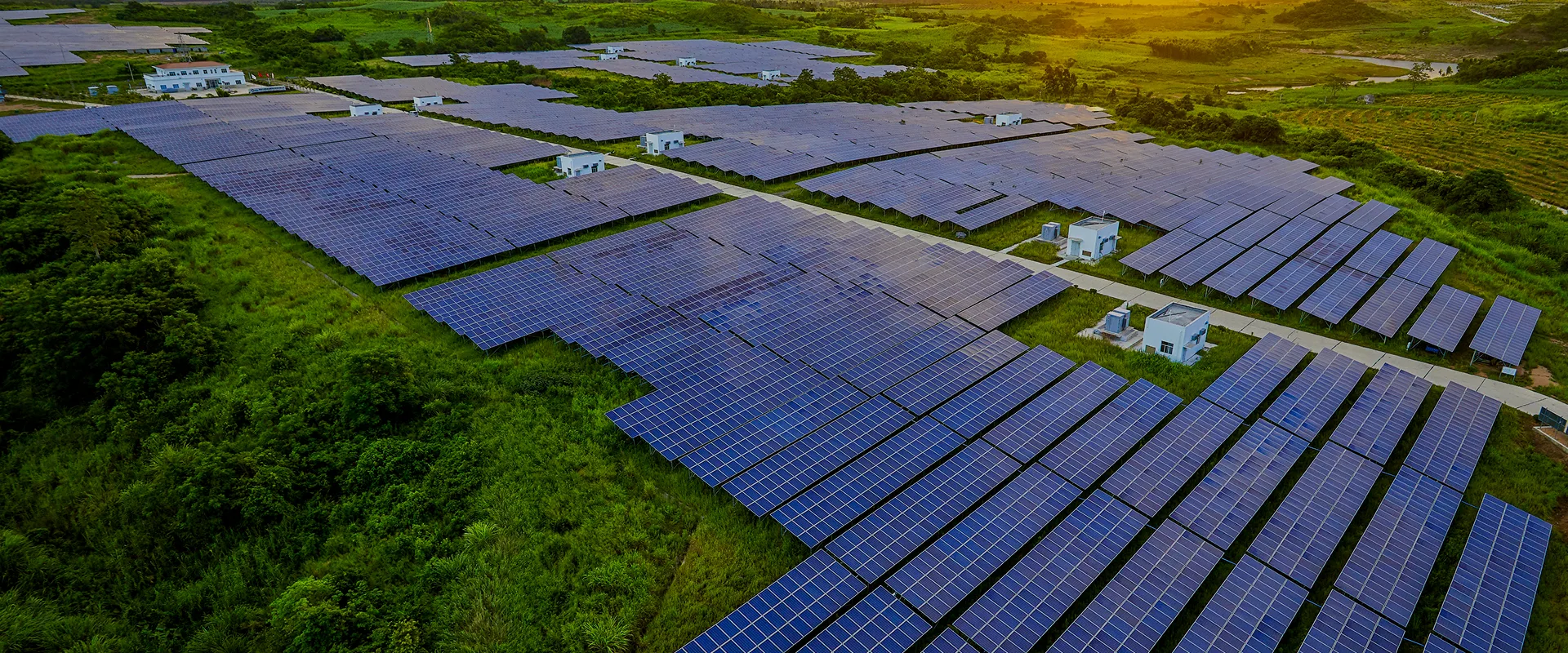
For private residences and small businesses navigating elevated electricity tariffs or insufficient grid infrastructure, establishing a reliable power supply typically comes down to two choices: a traditional diesel generator or a photovoltaic setup managed by a solar inverter. This guide directly compares the operational, financial, and environmental differences between a solar inverter and a diesel generator to help you determine the appropriate energy architecture for your facility.
As you evaluate these options, working with an experienced equipment manufacturer enables a smooth transition. We provide inverter and energy storage solutions supported byin-house R&D and manufacturing capabilities. We focus on product stability, flexible customization and full-range service support for residential and commercial projects. Our engineering teams build reliable systems tailored to unique load demands. Reach out to our technical team for a detailed quote and to discuss your power-system requirements.
The Fundamental Mechanics of Power Generation
Understanding which solution applies requires examining how each system operates internally. A diesel generator relies on a traditional internal combustion engine. It burns fossil fuels to produce mechanical energy, which an alternator converts into electrical power. While providing on-demand electricity, the generator requires a continuous supply of combustible fuel and produces exhaust during operation.
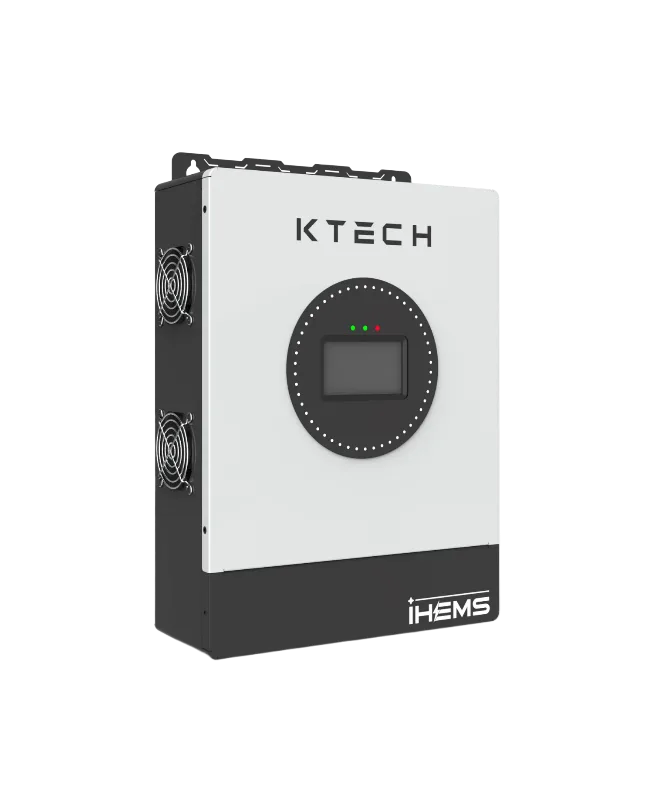
In contrast, a solar inverter serves as a power conversion and control component within a solar-plus-storage system. Rather than burning fuel, it takes the direct current electricity generated by solar panels or stored within a battery bank and converts it into usable alternating current electricity. The inverter continuously regulates power generation, battery charging protocols, and load distribution. Our hardware handles these conversion tasks automatically to support stable power delivery without combustion.
Operating Costs and Fuel Volatility Considerations
A primary difference lies in long-term financial forecasting and resource management. Operating a diesel generator involves continuous expenditures tied to the fluctuating market price of diesel fuel. For remote properties, transporting and safely storing large volumes of flammable liquids adds substantial operational burdens.
Conversely, once a photovoltaic system is installed, its primary energy source—sunlight—does not require routine fuel purchases. While the initial capital investment for photovoltaic systems is typically higher than a standard generator, the long-term return on investment remains a highly practical consideration. During periods of adequate solar irradiation, our systems supply power directly to designated loads while concurrently charging the battery bank. This can reduce the need for purchase delectricity or fuel, depending on the system configuration, local energy prices, and available solar resource.
Environmental Impact and Acoustic Profile
The environmental footprint is an increasingly relevant factor for modern property management. Diesel generators emit carbon dioxide, nitrogen oxides, and particulate matter during standard operation, which directly affects local air quality. Furthermore, the mechanical noise of a combustion engine can disrupt the tranquility of a residence or the workflow of a commercial enterprise.
Solar inverter solutions generally operate at much lower noise levels than combustion generators and produce no direct combustion emissions at the point of use. By using solar generation instead of on-sitefuel combustion during normal operation, the system can reduce direct operational emissions and operating noise.
Unlike diesel generators, solar-plus-storage systems do not require on-site combustion fuel during normal operation, avoiding generator exhaust and routine liquid-fuel handling. The clean, solid-state operation of inverter technology provides a sustainable alternative to fossil fuel combustion.
Designing an Off-Grid Solar System Architecture
When managing elevated utility tariffs or unreliable power grids, deploying the right hardware capacity is critical. We have designed our residential solutions to support reliable power conversion across different application conditions.
Depending on specific demands, we offer versatile options, including our 5-7.5kW Single/Split Phase American Grid inverters (models KE-5K/6KC5L1UF and KE-5K/6K/7K/7K5C6L5UF) as well as our 8-12kW Split Phase American Grid inverters (such as the KE-8K/10K/12KC5LSUF). These inverters can be paired with compatible battery solutions to establish an integrated energy storage system.
By pairing these components, operators establish an integrated off-grid solar system capable of providing consistent electricity. When direct solar energy is temporarily unavailable, the stored battery power supports the active loads, decreasing grid dependence and alleviating supply challenges during peak demand periods.
Maintenance Requirements and Smart Management
Mechanical wear is a constant reality for any diesel generator. Relying on numerous moving components—including pistons, belts, filters, and fluid pumps—they require scheduled mechanical maintenance. Operators need to routinely change oil, replace filters, and test starter batteries to maintain functionality. Neglecting this maintenance rapidly reduces the generator’s viable lifespan.
Solid-state electronic devices, such as solar inverters, operate with virtually no moving parts, keeping routine maintenance requirements minimal. Furthermore, modern cloud platform support services significantly simplify system monitoring. Through our WiseHome App, we provide real-time data collection, device management, and intelligent fault diagnosis capabilities. Facility managers can monitor power generation and battery status directly from a smartphone, helping the entire system run consistently.
Transitioning from a traditional diesel generator to an advanced solar inverter setup represents a practical approach to cleaner, quieter, and highly cost-effective energy management. At Ktech, our commitment revolves around providing customizable, self-developed energy solutions tailored strictly to your facility requirements. We prioritize product stability and the comprehensive service support we deliver to every client, from initial technical consultation to long-term digital monitoring.
Whether upgrading a private residence or outfitting a small enterprise, we invite you to connect with our technical team. Contact us today to request a detailed quote, explore our technical specifications, and let us help you build a reliable energy architecture.



