


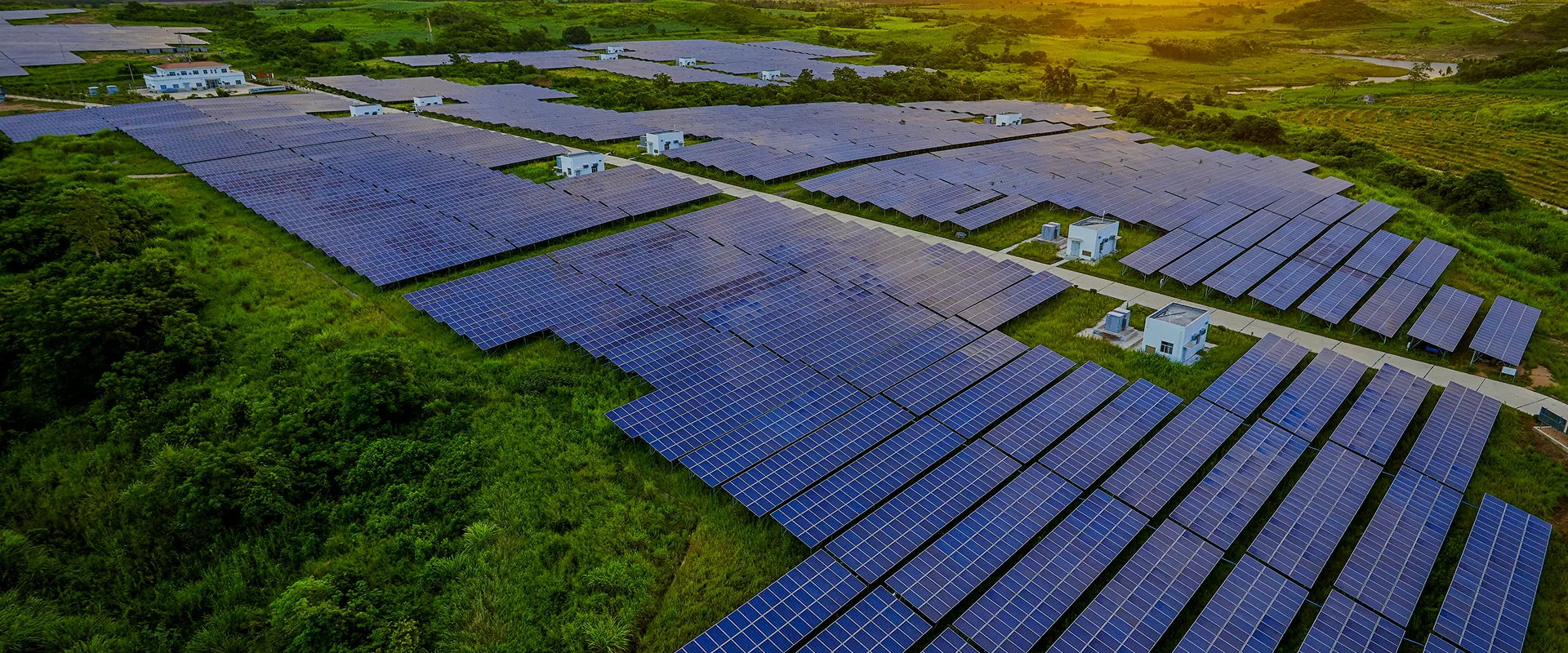
Electricity demand changes throughout the day. A home may use relatively little power during working hours but consume more electricity in the evening. Similar changes happen across the wider grid. Demand response is designed around these changes. It adjusts when electricity is consumed or where that electricity comes from. Solar generation and battery storage can add more flexibility to this process.
At Ktech, we develop inverter-centered energy solutions for overseas distributors, installers, and other solar and storage partners. Our in-house R&D capabilities support customized requirements for different markets. Product stability, training, and after-sales service are also important parts of our cooperation. For projects involving an energy management system, customers can contact our team to discuss local application needs, product configurations, and customization requirements.
What Does Demand Response Mean for a Household?
Demand response is a method of changing electricity consumption according to grid conditions, electricity prices, or other demand signals. Instead of treating household electricity demand as fixed, certain loads can be shifted to another period when operating conditions permit.
For example, some electrical devices do not need to operate at a specific moment. Their operation can sometimes be moved away from periods of higher grid demand. Other essential household loads may need to continue operating normally. This means demand response is based on identifying which loads have scheduling flexibility.
Demand response is also different from energy efficiency. Energy efficiency generally focuses on reducing the amount of electricity required for a task. Demand response focuses on the timing of consumption. A household may use a similar amount of electricity while changing when it draws that electricity from the grid.
Why Does Solar Make Demand Response More Flexible?
A household with photovoltaic generation has an additional electricity source during daylight hours. The Power Generation System converts solar energy into DC electricity. This electricity can supply household energy needs and reduce reliance on electricity drawn directly from the grid.
However, solar generation and household demand do not always happen at the same time. Solar production may be relatively strong during the daytime, while electricity consumption can increase after residents return home in the evening. At that point, available solar generation may already be lower.
For this reason, demand response in a solar home is not simply about producing electricity. Generation, conversion, storage, and consumption need to be considered together. The timing of each process affects how much flexibility the household has when responding to changing grid conditions or electricity prices.
The Inverter Links Solar Generation to Daily Electricity Use
Photovoltaic modules generate DC electricity, while residential electrical hardware generally uses AC electricity. The inverter provides the conversion needed between these two sides of the household energy system.
In the system described here, the inverter integrates smart controller and inverter functions. It optimizes the current and voltage of photovoltaic modules to improve power generation efficiency. It also converts DC electricity into AC electricity for use by residential physical hardware.
This conversion function supports the movement of electricity from photovoltaic generation to household loads. When an inverter operates within a broader solar and storage setup, its control functions can also support coordination between available generation and actual electricity demand.
Storage Helps Shift Solar Energy to a Different Time
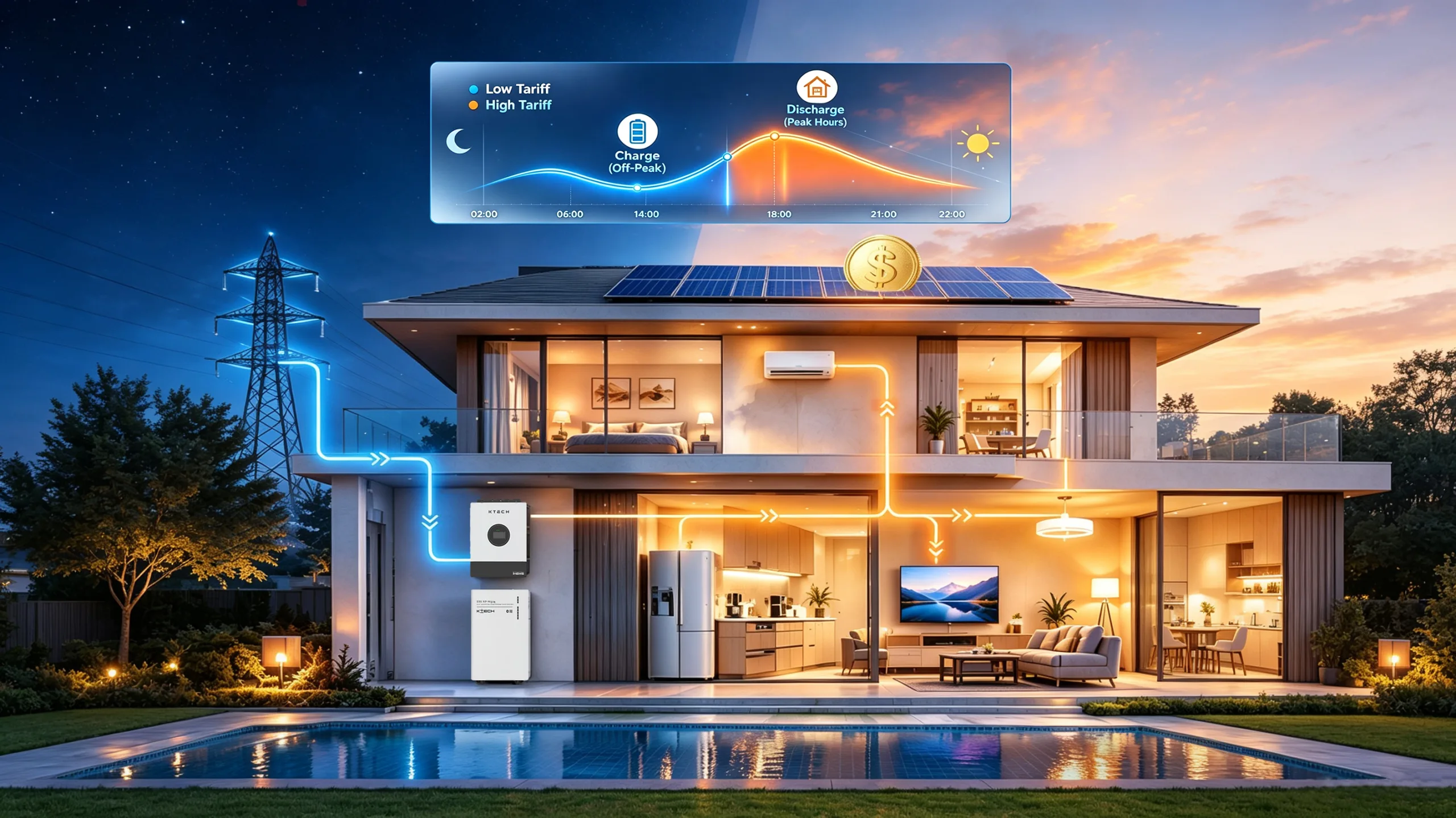
One limitation of direct solar consumption is timing. A household can generate surplus electricity around midday but require additional electricity several hours later. Energy storage provides a way to move part of that available electricity from one period to another.
This capability is useful for demand response because households are not limited to either consuming grid electricity immediately or reducing their loads. Stored solar electricity can provide another source during periods when solar generation is lower or when grid demand is higher.
Actual operation still depends on factors such as available solar generation, household consumption, battery conditions, control settings, and local electricity arrangements. These factors should be considered when deciding how stored electricity is scheduled.
Connected Household Loads Complete the Demand Picture
Demand response also depends on understanding where electricity is being used. Residential Physical Hardware includes the electrical devices connected to the îHEMSess™ system. These devices represent the consumption side of the household energy setup.
Through smart meters and controllers, connected devices can be monitored in real time and managed intelligently. This makes it possible to understand current electricity use rather than relying only on total household consumption measured over a longer period.
Different devices also have different operating requirements. Some loads can be shifted more easily, while others need electricity at a particular time. A useful demand-response strategy therefore considers both energy availability and the practical needs of household users.
How Can These Components Work Together?
Consider a home that produces more solar electricity than it consumes during part of the afternoon. Some surplus electricity can be stored rather than used immediately. Later, when household demand increases and solar production falls, stored electricity can support part of the evening load.
An energy management system can help coordinate data from photovoltaic generation, storage, and connected household devices. Monitoring these parts together gives the system a clearer view of when electricity is being produced, stored, and consumed.
Control decisions can then reflect actual operating conditions. The system may consider available solar electricity, battery status, household priorities, and local electricity arrangements. This coordinated approach is central to using solar generation as part of demand response rather than treating each component as an isolated device.
Building a More Practical Demand Response Strategy
Solar can support demand response by changing the timing and source of household electricity consumption. Daytime generation can serve current loads, surplus electricity can be stored for later periods, and connected devices can be monitored according to actual household needs. The value comes from coordinating these functions around real consumption patterns.
For overseas distributors, installers, and solar-storage partners working on these applications, Ktech focuses on inverter products supported by in-house R&D, customization capabilities, product stability, training, and after-sales service. Battery solutions are provided as part of integrated system configurations through cooperation with external suppliers. Partners with specific application, market, or customization requirements can contact our team to discuss an appropriate system configuration.



