


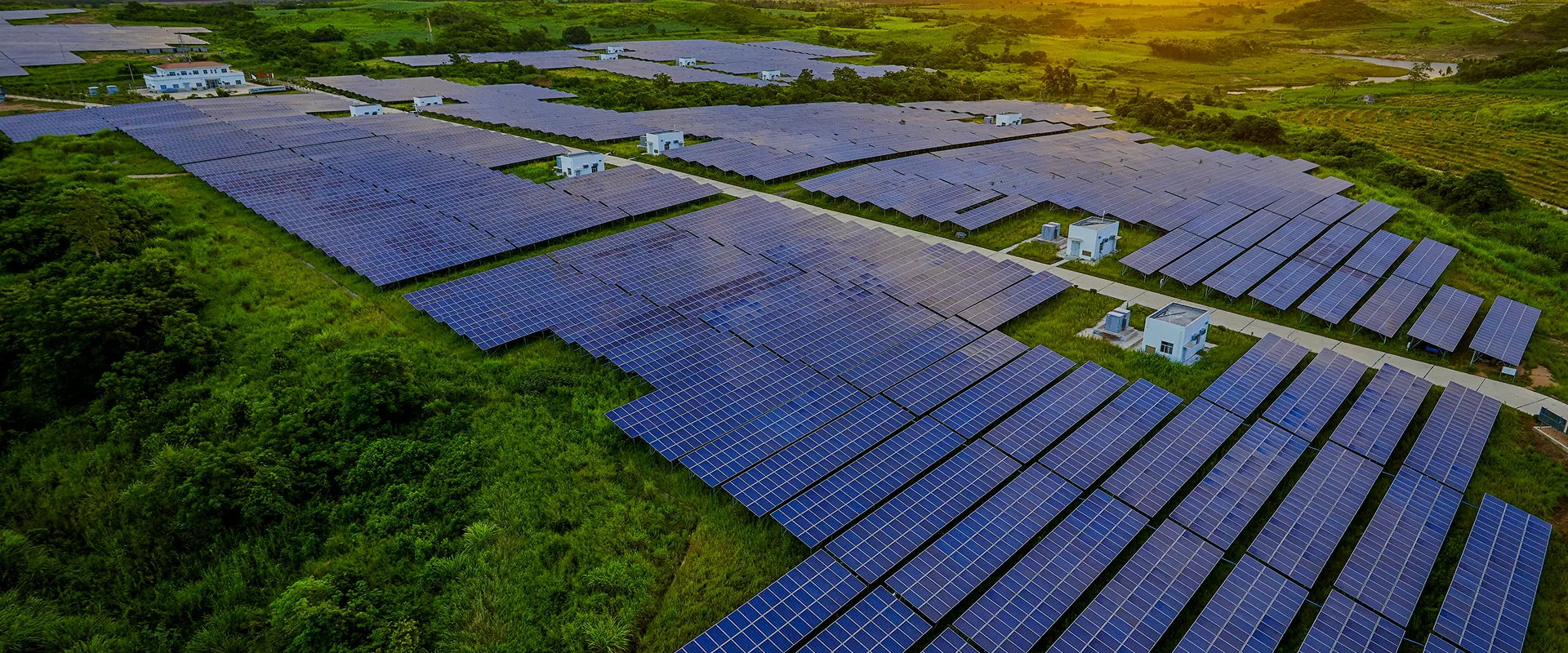
Choosing a hybrid solar system for home use starts with understanding how much electricity your household consumes, when you use it, and whether you need backup power during an outage. The right configuration should balance solar generation, battery storage, inverter capacity, and your local electrical requirements without paying for capacity you rarely use.
What Is a Hybrid Solar System, and How Does It Work?
A hybrid solar system combines solar panels, a compatible inverter, battery storage, and a connection to the electricity grid. It allows households to use solar power when it is available, store surplus energy for later, and draw electricity from the grid when necessary.
How Does a Hybrid Solar Power System Combine Solar Panels, Batteries, and Grid Electricity?
A hybrid solar power system coordinates electricity generation, storage, and consumption. Solar panels generate direct current (DC), which an inverter converts into alternating current (AC) for household appliances. Depending on the system configuration and energy management settings, surplus solar energy can charge the battery, while stored energy can supply loads when solar production falls.
Battery storage can shift some of that daytime generation to the evening, although conversion losses and battery operating limits affect the amount of energy available.
| System type | Main characteristic | Suitable situation |
| Grid-tied | Uses solar generation alongside the utility grid | Homes prioritizing solar generation without requiring battery storage |
| Hybrid | Combines solar generation, battery storage, and grid connectivity | Homes seeking flexible energy use and potential backup power |
| Off-grid | Operates independently of the utility grid | Properties without a dependable grid connection |
How Does a Hybrid System Compare With Grid-Tied and Off-Grid Systems?
The main difference is how each system uses the electricity grid and manages energy storage. A grid-tied system generally prioritizes solar generation and grid interaction, while an off-grid system must meet its energy needs without relying on a utility connection.
A hybrid system does not automatically keep the home powered during an outage. Backup operation requires compatible equipment and an appropriate system configuration. Homeowners should confirm which circuits can receive backup power and whether the inverter can operate safely when the grid is unavailable, as explained in the U.S. Department of Energy’s Solar and Resilience Basics.
How Do You Determine the Right System Size for Your Home?
The appropriate system size depends on daily electricity consumption, peak power demand, available solar generation, and how much stored energy you want to use. Rather than selecting equipment based only on roof area or household size, begin with your actual electricity usage.
How Do You Calculate Your Household’s Electricity Demand?
Review recent electricity bills and, if possible, interval consumption data to estimate daily energy use and identify when demand peaks. Separate essential loads, such as lighting, refrigeration, internet equipment, and selected outlets, from optional or high-demand appliances.
For example, a home that uses most of its electricity in the evening has a different storage requirement from a home where air conditioning and other major appliances operate mainly during daylight hours. Seasonal changes also matter: heating, cooling, and changes in daylight can affect consumption and solar output.
Use the following checklist before comparing equipment:
Daily energy consumption: Estimate how many kilowatt hours (kWh) the household uses.
Peak power demand: Identify the appliances likely to operate simultaneously and their starting requirements.
Solar production: Consider roof orientation, shading, local weather, and seasonal sunlight.
Backup priorities: Decide which appliances must remain available during an outage and for how long.
How Should You Choose Inverter Output and Battery Capacity?
Inverter output and battery capacity solve different problems. Inverter power, measured in kilowatts (kW), determines how much power the system can deliver at a given moment. Battery capacity, measured in kilowatt hours (kWh), describes how much energy the battery can store.
A battery with substantial capacity may still be unable to supply several high demand appliances simultaneously if the inverter’s output limit is too low. Conversely, a high output inverter does not guarantee long backup duration if the battery stores too little energy.
Estimate battery requirements by adding the expected energy consumption of the loads you want to support during the intended backup period. Then account for usable battery capacity, conversion losses, and manufacturer operating limits. Have an installer verify the calculations against the selected battery and inverter specifications.
Which Hybrid Inverter Features Should You Compare?
Choose an inverter that matches your local electrical supply, expected loads, battery configuration, and backup requirements. Comparing rated power alone can overlook compatibility issues that affect installation and everyday operation.
Should You Choose a Single Phase, Split Phase, or Three Phase Inverter?
The correct inverter phase configuration depends on the electrical service available at your property and the requirements of the connected loads. Single-phase systems are common in many residential settings, while split phase and three phase configurations serve different electrical networks and applications.
Before purchasing, confirm the supply voltage, frequency, phase arrangement, and applicable grid connection requirements with a qualified installer. Do not assume that an inverter designed for one regional grid can be used in another simply because its power rating is suitable.
A typical household may need a different configuration from a small workshop with three-phase equipment. For small businesses, assess the actual electrical service and operating loads rather than selecting a model solely because it has a higher rated output.
How Do You Check Battery Compatibility and Backup Power Requirements?
Check the inverter and battery documentation together before deciding on a system. Compatible equipment must meet the relevant electrical requirements and support the intended communication and control arrangements.
Ask the supplier or installer to confirm:
Supported battery chemistry, voltage range, and approved battery models.
Maximum charging and discharging power.
Whether the system supports backup operation during a grid outage.
Backup output limits and the loads that can be supported.
Required protective devices, isolation arrangements, and local electrical approvals.
Also consider monitoring and energy management. Clear information about solar production, battery state of charge, grid consumption, and household demand makes it easier to understand how the system operates. Verify which monitoring functions are included with the chosen model rather than assuming that every inverter offers the same capabilities.
Which Ktech Hybrid Inverter Options Should You Consider?
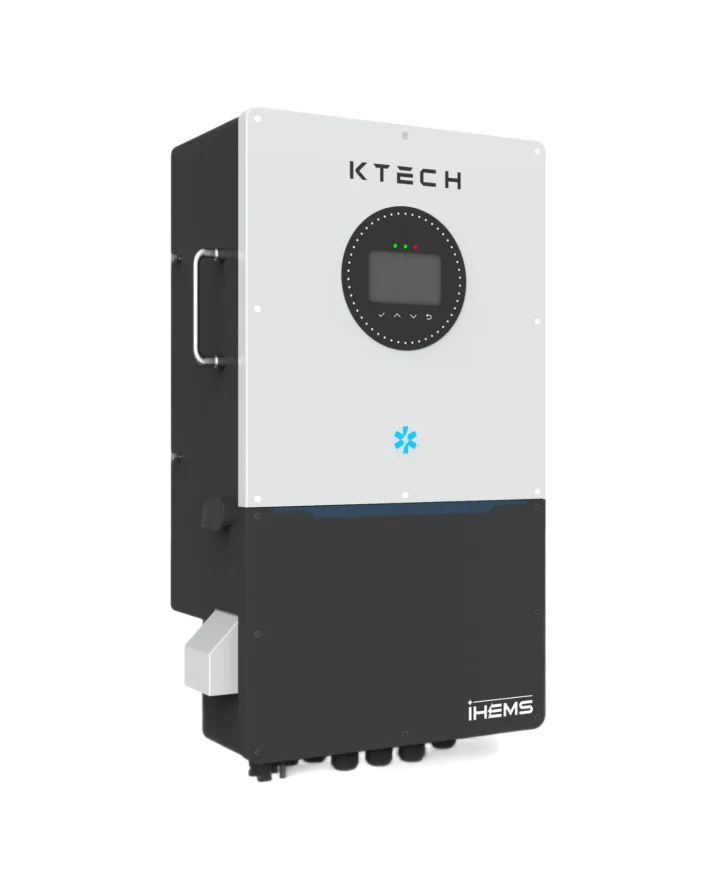
Ktech offers hybrid inverter product ranges for different electrical configurations, including single phase European grid models and split phase and three phase models for specified grid types. The appropriate option depends on the property’s electrical supply and the system’s required output, not simply on the largest available rating.
Which Ktech Inverter Ranges Match Different Household Needs?
Ktech’s hybrid inverter product range includes several families that can be considered when narrowing down a system configuration.
These ranges describe the available product families, not guaranteed recommendations for particular household sizes. The category also lists higher output three phase models, but the actual model selection should follow a documented assessment of the property’s loads and requirements.
Beyond hybrid inverters, Ktech offers batteries, all-in-one energy storage systems, and the iHEMS smart energy management platform. iHEMS supports coordinated monitoring and management of solar generation, grid electricity, battery storage, and household loads, helping homeowners understand and manage energy use across the system. However, the compatibility of specific components and the functions available in a particular setup must be confirmed from the relevant technical documentation.
What Should You Verify Before Selecting a Ktech Model?
Start by matching the product’s grid configuration and rated output to the requirements established during your energy assessment. Then confirm the battery compatibility, charging and discharging limits, backup capability, monitoring functions, and installation requirements for the exact model.
Review the Ktech Solar website for its broader product portfolio, then request the technical datasheet and installation documentation for the shortlisted inverter. Ask the supplier to clarify any specifications that are not available on the category page.
This makes it easier to compare quotations on the basis of compatible equipment and practical performance rather than headline power ratings alone.
How Can You Choose the Right Hybrid Solar System?
Before committing to a purchase, work through these priorities:
Establish your energy needs. Review daily consumption, peak loads, and seasonal changes.
Define your storage goals. Decide whether you want to shift daytime solar energy into the evening, prepare for outages, or achieve both.
Check system compatibility. Match inverter output, battery specifications, grid configuration, and backup requirements.
Compare documented product specifications. Request model specific technical information and confirm local installation requirements.
Evaluate the complete installation. Consider equipment, protection, commissioning, monitoring, and ongoing support.
By following these steps, homeowners and small business operators can compare hybrid solar power system options on practical criteria. Ktech’s hybrid inverter range is one place to begin, but the final choice should always be based on verified specifications and the electrical needs of the installation.



