


Choosing between a single-phase and three-phase solar inverter starts with the electrical system at the installation site. The decision affects power distribution, equipment matching, installation planning, and future system expansion. A inversor fotovoltaico converts DC electricity from solar panels into AC electricity for local loads or grid connection. The suitable phase configuration depends on how the building receives power, its electricity demand, and the scale of the solar installation.
At Ktech Solar, we focus on inverter development for photovoltaic and energy storage applications. Our in-house R&D capabilities support customized requirements for overseas distributors, installers, and project partners, with attention to product stability and different market needs.
We also provide training and after-sales support throughout cooperation. Customers planning inverter projects can discuss their grid conditions, application requirements, and local compliance needs with our team before selecting a suitable configuration.
What Separates Single-Phase and Three-Phase Systems?
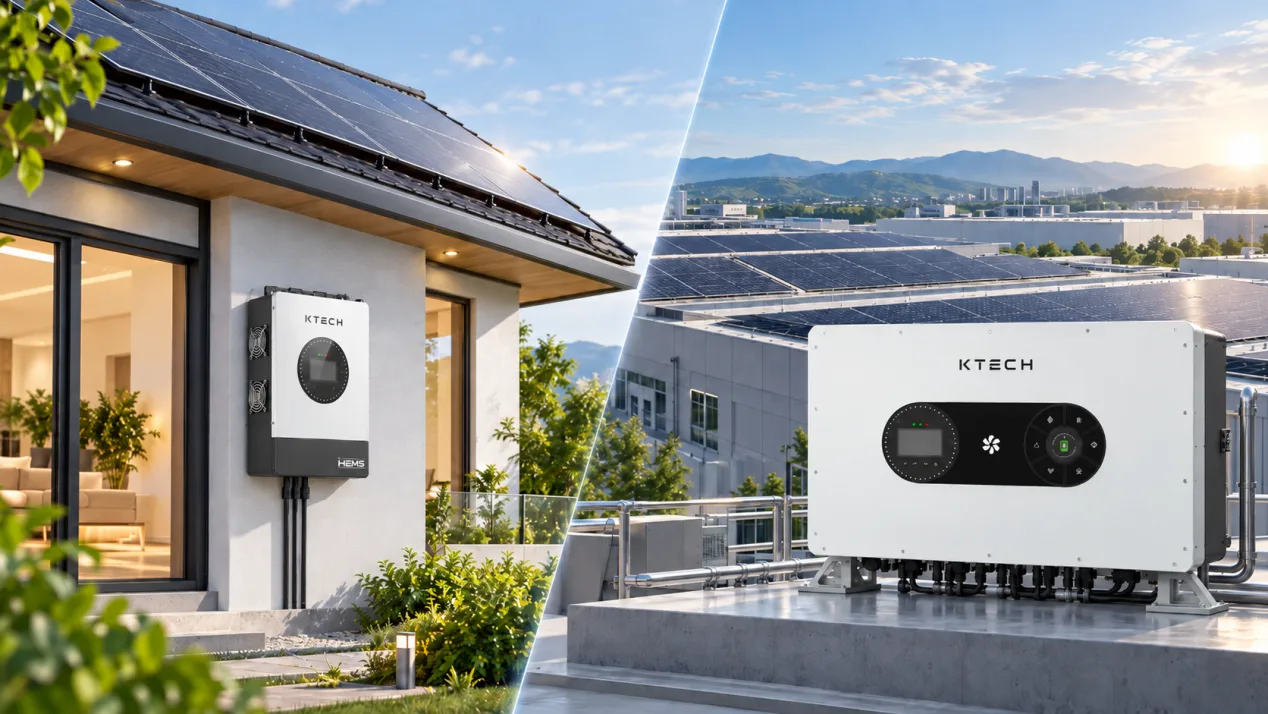
A single-phase electrical system uses a single phase of alternating current. It is commonly found in homes and other properties with moderate electrical demand. A single-phase inverter is designed to work with this type of grid connection, so it is often considered when planning smaller residential solar systems.
A three-phase system uses three alternating current phases. This arrangement can distribute electrical power across three phases instead of one. Three-phase supplies are commonly found in commercial buildings, factories, workshops, and other facilities where electrical demand is higher or where larger electrical equipment is installed.
The existing grid connection should therefore be checked before inverter capacity is considered. A three-phase inverter is not automatically more suitable because it handles a different electrical configuration. The inverter needs to match the site’s supply type, solar array design, grid requirements, and expected operating conditions.
When Is a Single-Phase Inverter More Practical?
Single-phase inverters are commonly considered for residential properties that already receive single-phase electricity. Keeping the solar system consistent with the existing electrical infrastructure can make system planning more straightforward and avoid unnecessary changes to the site’s power distribution.
Electricity consumption should also be reviewed. A house may operate air conditioners, water heaters, kitchen appliances, lighting, and EV charging equipment at different times. Looking at when these loads are used helps installers understand the relationship between solar generation and actual daytime consumption.
Local utility requirements are another part of the decision. Grid operators may specify inverter capacity limits, export limits, protection requirements, or connection procedures. These requirements vary between markets. Installers should confirm the applicable rules before choosing a particular inverter and completing the system design.
Why Do Larger Sites Often Use Three-Phase Inverters?
Three-phase inverters are generally relevant when the property already has a three-phase electrical connection. Commercial buildings, industrial sites, farms, and workshops may use this infrastructure because their equipment and daily electricity demand differ from those of a typical household.
Load distribution is particularly important in these projects. Motors, pumps, HVAC equipment, machinery, and other electrical loads may operate across different phases. Engineers need to understand how these loads are distributed before deciding how solar generation will connect to the electrical system.
Solar array capacity also affects the choice. Larger photovoltaic installations can require inverter configurations designed for higher output levels. A three-phase inverter may fit this electrical architecture when the site already uses three-phase power and the equipment complies with the applicable grid requirements.
How Should Site Conditions Influence the Decision?
Before choosing a photovoltaic inverter, project teams should examine the grid phase, solar array capacity, daytime electricity demand, installation environment, utility rules, and plans for future expansion. Looking at these factors together gives a clearer basis for inverter selection than comparing rated power alone.
For example, a residential property with a single-phase supply and moderate electricity demand may have little reason to change its electrical configuration solely for a solar installation. A commercial facility with an existing three-phase supply, however, may require a different approach because solar generation must integrate with a more complex electrical system.
Physical conditions also deserve attention. Inverters installed outdoors can be exposed to dust, rain, humidity, and changing temperatures. Buyers should review the specified ingress protection rating and installation requirements for the selected model against actual site conditions.
What Specifications Matter for a Three-Phase Inverter?
Phase type is only one specification to examine. Buyers should also review rated output, conversion efficiency, grid compatibility, protection functions, environmental protection, monitoring features, and applicable certification requirements. These details help determine whether a model fits the electrical and operating conditions of a particular project.
For larger grid-connected applications, our Grid-Tied Inverter 125kW Three Phase American Grid provides one example. The model has a maximum efficiency of up to 98.8%. Its high conversion efficiency reduces energy consumption and operational costs, making efficiency an important specification to examine when evaluating system operation.
Protection and installation conditions are also relevant. The inverter has integrated AFCI to reduce fire hazards. It also carries an IP66 ingress protection rating and is designed for various climatic environments. These characteristics should still be considered together with the project’s electrical design and local installation requirements.
Which Phase Configuration Fits the Project?
The choice ultimately depends on the site’s electrical infrastructure rather than a general preference for one inverter type. Single-phase inverters are commonly suited to properties with single-phase supplies and moderate power requirements. Three-phase models are more relevant to sites with three-phase infrastructure, larger electrical loads, or higher-capacity solar installations. Grid rules, load patterns, system capacity, and installation conditions should all be reviewed before the final decision.
For distributors, EPCs, and installers serving different markets, inverter requirements can also vary by grid condition and local application. Ktech Solar supports customized inverter development through our in-house R&D capabilities, with attention to product stability, compliance requirements, training, and after-sales service. Partners preparing residential or commercial solar projects can contact our team to discuss local grid conditions and project requirements before determining a suitable inverter configuration.



