


Choosing a solar power system depends on your property’s electricity needs, grid reliability, and budget. An on-grid solar system works with the utility network, an sistema solar fora da rede operates independently, and a hybrid solar system combines grid connectivity with battery storage. Understanding these differences helps homeowners and small business owners select a suitable solution without investing in equipment they do not need.
What Is the Difference Between Off-Grid, On-Grid, and Hybrid Solar Systems?
The main difference is how each system connects to the utility grid and manages electricity when solar generation cannot meet demand. Although all three use photovoltaic (PV) panels to generate electricity, their storage requirements and backup capabilities differ.
How Does an On-Grid Solar System Work?
An on-grid solar system connects solar panels to the utility network through a compatible inverter. Solar electricity powers appliances and equipment, while the grid supplies additional electricity when generation falls short.
When solar production exceeds demand, surplus electricity may be exported to the grid, depending on local regulations and utility policies. Because batteries are optional, this arrangement can suit properties with reliable grid access and favorable electricity tariffs.
However, conventional grid connected inverters generally shut down during a grid outage for electrical safety. Without suitable backup equipment, having solar panels does not mean a property can continue using solar electricity during a power cut.
How Does an Off-Grid Solar System Work?
An off-grid solar system operates independently of the utility network, typically using solar panels, an off-grid inverter, and battery storage.
During daylight hours, solar panels supply connected loads and charge the batteries. At night or during periods of limited sunlight, stored energy powers appliances and equipment. A generator may provide additional support if the system is designed to accept one.
This configuration suits remote homes, rural properties, and small facilities without reliable grid access. However, users must carefully size the solar array, battery bank, and inverter to meet demand during periods of low solar generation.
How Does a Hybrid Solar System Work?
A hybrid solar system combines grid connectivity with battery storage, allowing users to draw on solar electricity, stored energy, and utility power as needed.
For example, a household can use solar generation during the day, store surplus electricity in a battery, and use that energy in the evening. Depending on its configuration, a hybrid system can also supply designated loads during a grid outage.
| Feature | On-grid | Fora da rede | Híbrido |
| Grid connection | Sim | No in standalone operation | Sim |
| Battery storage | Opcional | Normally required | Commonly included |
| Backup during outages | Requires suitable backup equipment | Possible with a properly designed system | Possible with compatible backup functions |
| Main consideration | Grid dependence | Generation and storage capacity | Storage costs and configuration |
What Are the Advantages and Limitations of Each Solar System?
Each system serves different priorities. The right choice depends on electricity costs, grid reliability, backup requirements, and the property’s consumption patterns.
When Does On-Grid Solar Make the Most Sense?
On-grid solar is worth considering when the utility supply is reliable and reducing electricity purchases is the main objective.
Its key advantage is that users can consume solar electricity without necessarily investing in batteries. However, the financial benefits depend on local electricity rates, export compensation, and when the property uses power.
Before choosing this option, check how your utility treats surplus electricity and whether you need backup during outages.
What Should You Consider Before Choosing an Off-Grid Solar System?
An off-grid solar system is suitable when independence from the utility network is essential and sufficient generation and storage can be provided.
For example, a rural home may need to power refrigeration, lighting, water pumps, and communication equipment after sunset. If several cloudy days reduce solar production, an undersized battery bank may not supply enough electricity.
Before investing, assess:
- Daily energy consumption in kilowatt-hours (kWh).
- Peak demand and the starting current of motors or pumps.
- Battery capacity and usable stored energy.
- Seasonal sunlight conditions and backup power options.
- Equipment installation space and maintenance requirements.
These factors help prevent a system from being sized only for average sunny days.
When Is a Hybrid Solar System Worth Considering?
A hybrid system is worth considering when you want to remain connected to the grid while adding battery storage and potential backup capability.
For a household, stored electricity may support essential appliances during an outage. For a small shop, it may help keep lighting, refrigeration, payment terminals, or communications operating.
However, not every hybrid system can power every circuit during an outage. Confirm which loads receive backup power, how the system operates when the grid fails, and whether the inverter and battery are compatible.
How Do You Choose the Right Solar System for Your Property?
Start by measuring electricity demand, then assess grid reliability, backup priorities, and budget. This approach helps you identify the system configuration that meets your actual requirements.
How Should You Assess Electricity Consumption and Peak Loads?
Review electricity bills and list the appliances or equipment the solar system must supply. Record each device’s power rating and typical operating hours to estimate daily consumption.
For example, a device rated at 0.1 kW that operates for five hours consumes approximately 0.5 kWh. Add the consumption of the equipment you intend to run, then identify which devices may operate simultaneously.
Energy consumption alone is not enough to determine inverter capacity. Motors, pumps, and other equipment may require a high starting current, so the inverter must accommodate both continuous demand and applicable surge requirements.
How Much Battery Storage and Solar Generation Do You Need?
Battery sizing depends on how much electricity you need after sunset or during periods of limited solar generation. Solar array sizing depends on daily consumption, local sunlight conditions, system losses, and the energy required to recharge the batteries.
A preliminary estimate is:
Usable battery energy required = daily energy demand × days of autonomy
For example, a property consuming 5 kWh per day would need 5 kWh of usable battery energy for one day of autonomy. The nominal battery capacity generally needs to be higher because usable capacity depends on the battery’s specifications and permitted depth of discharge.
This estimate is only a starting point. Seasonal conditions, charging limits, and actual load patterns must also inform the final design. The U.S. Department of Energy’s guide to solar photovoltaic system design provides additional technical background.
How do Electricity Rates and Grid Reliability Affect Your Decision?
Grid reliability and electricity tariffs influence whether battery storage is worth the additional investment.
If outages are uncommon and grid electricity is readily available, on-grid solar may be sufficient. If outages regularly disrupt essential activities, a hybrid system with suitable backup functions may be more appropriate. Where grid access is unavailable, an off-grid system may be necessary.
Also check local electrical codes, inverter certification requirements, battery installation rules, and utility interconnection procedures before purchasing equipment.
How Can Ktech Support Residential Off-Grid Solar and Energy Storage Needs?
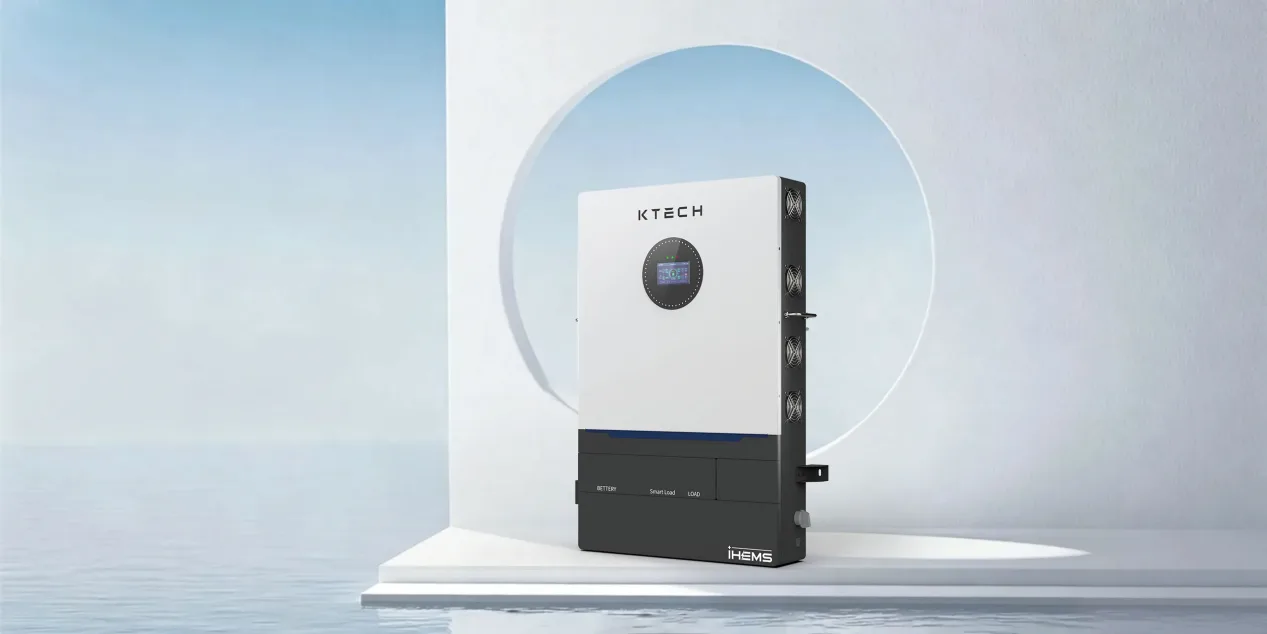
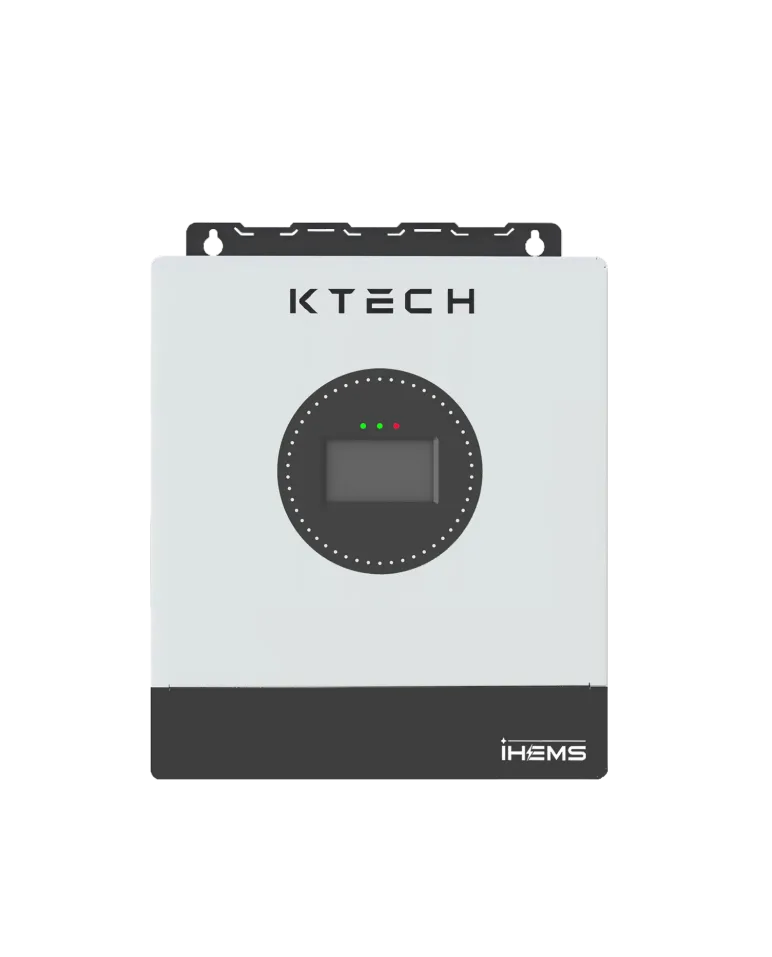
Ktech offers inverter and energy storage products for buyers evaluating residential solar configurations. Selecting a suitable product requires matching its verified specifications and operating functions to the property’s electrical loads and installation requirements.
What Does Ktech’s Residential Solar Energy Storage Solution Offer?
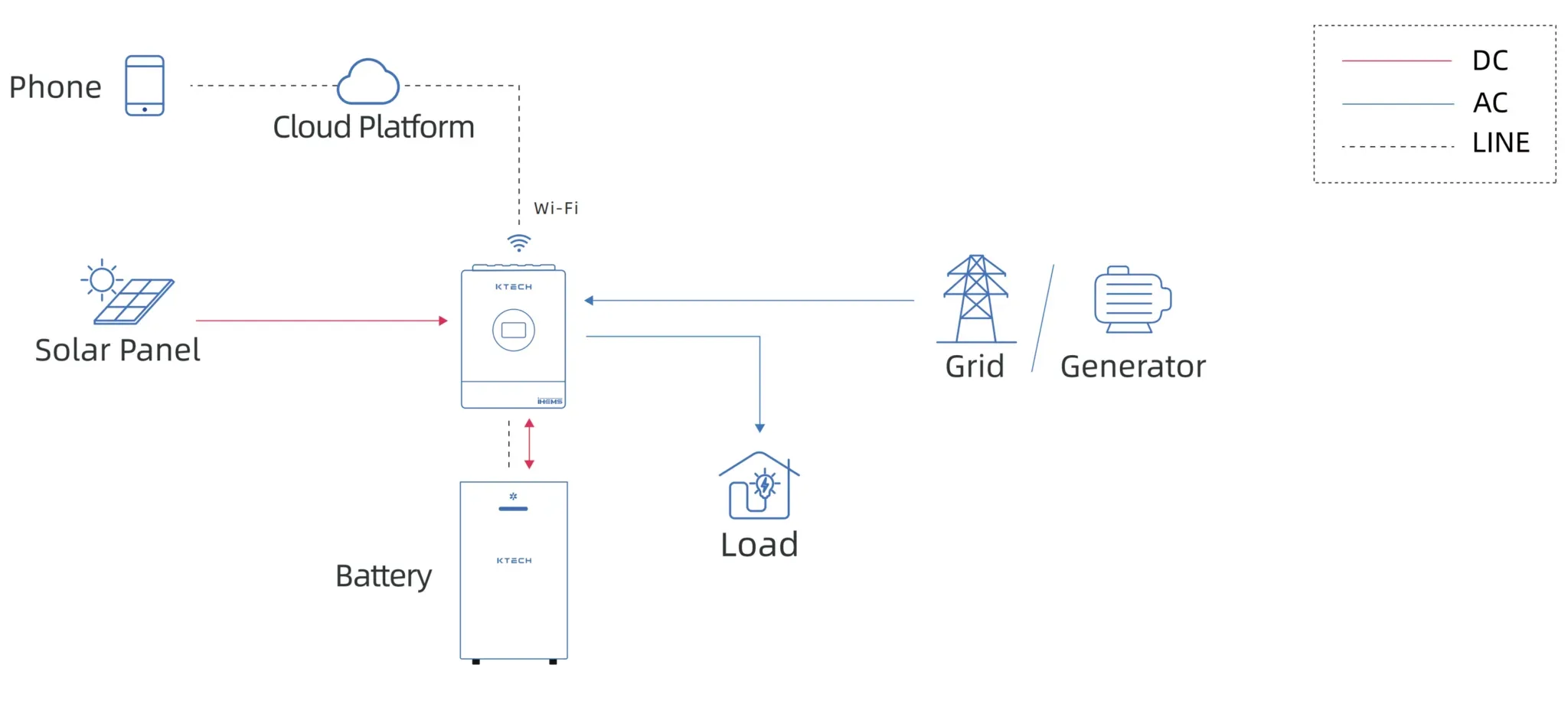
Ktech’s residential photovoltaic energy storage solution is designed to supply designated loads with solar electricity while charging a battery bank when sunlight is sufficient. Where supported by the selected configuration, grid electricity can also supply loads when solar generation is insufficient. Confirm the system’s operating modes and grid input capabilities before installation.
Because the described arrangement includes grid input, buyers should confirm the intended system architecture with Ktech before treating it as a fully standalone installation. Clarify whether grid input is supported in the selected configuration, which loads can operate during outages, and how battery charging and discharging are managed.
What Should You Check When Selecting an Off-Grid Inverter?
Um inversor fora da rede converts direct current (DC) electricity from solar panels or batteries into alternating current (AC) electricity for compatible appliances and equipment. Its output rating, electrical configuration, and battery compatibility should match the planned installation.
Ktech’s off-grid inverter range includes products for different single-phase and split-phase configurations. The product families cover power ratings from 3 kW to 16 kW, although not every model necessarily supports every application.
Before selecting an inverter, check:
- Output capacity:Can it handle simultaneous loads and equipment starting currents?
- Electrical configuration:Does its voltage and phase arrangement match the property?
- Battery compatibility:Are the battery voltage, communication protocol, and charging limits supported?
- Operating functions:Does it support the required grid input and backup arrangements?
- Installation requirements:Does the proposed system meet local electrical and safety standards?
These checks help homeowners and small business owners evaluate Ktech products against practical operating needs rather than rated power alone.
How Can You Decide Which Solar System Is Right for You?
Your choice should reflect three priorities: access to the utility grid, the need for backup power, and the budget available for generation and storage.
Before purchasing equipment, confirm daily energy demand, peak load, required backup duration, local installation rules, and compatibility between the inverter and battery. Use these requirements to compare specific system configurations rather than choosing by rated power alone.



