


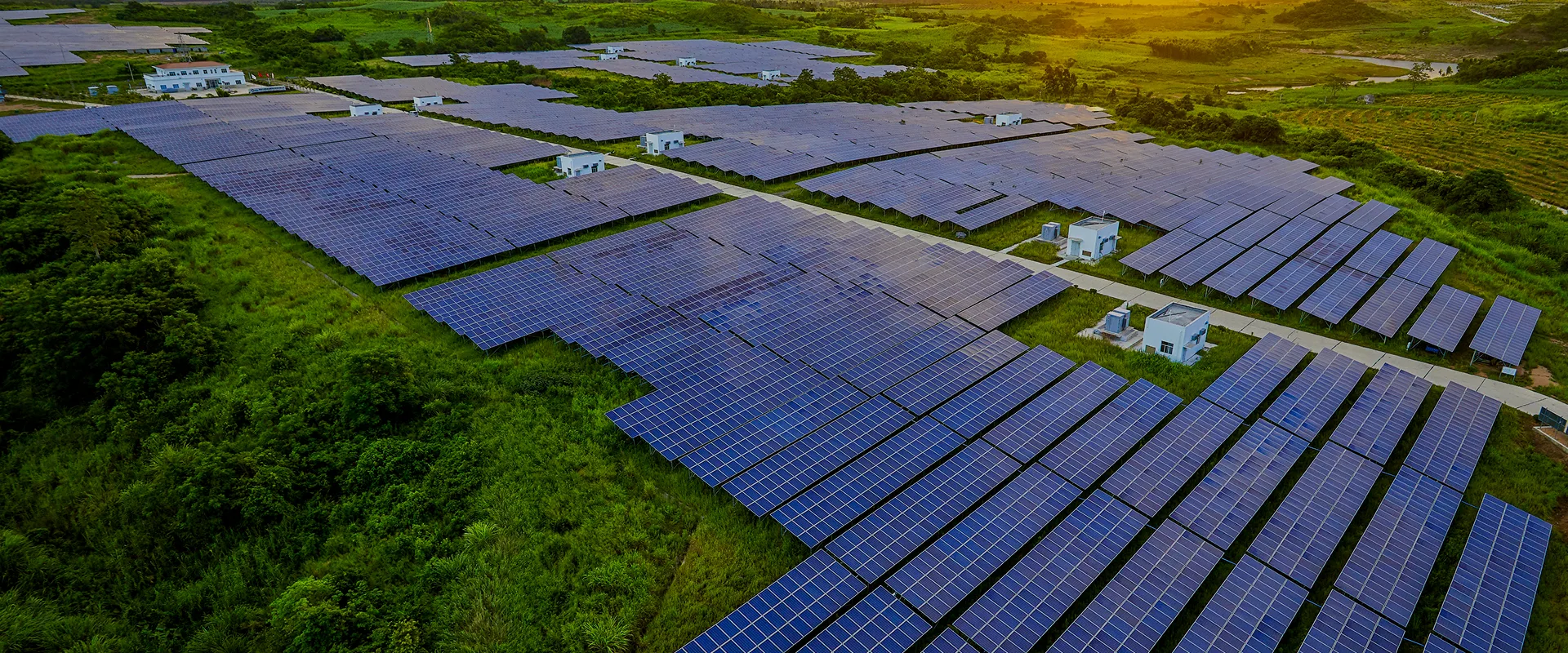
Different inverter waveforms can influence equipment compatibility, operating noise, and overall system performance. Pure sine wave and modified sine wave inverters are two common types used in power conversion applications. Understanding their differences helps users choose a suitable solution based on actual load requirements.
At Ktech, we develop solar power solutions with a focus on customization, internal research and development, product stability, and technical support for global partners. Our mppt off-grid inverter solutions are designed for independent energy systems where solar panels, batteries, and electrical loads need coordinated management.
Understanding Pure Sine Wave Inverter Technology
A pure sine wave inverter generates an AC output waveform that is similar to the electricity provided by the public grid. This smooth waveform allows many household appliances and electronic devices to operate under stable power conditions. Equipment with motors, compressors, transformers, or sensitive control systems often requires cleaner electrical output to maintain normal operation.
Common applications for pure sine wave inverters include residential backup power, remote energy systems, communication equipment, and small commercial installations. When users connect multiple types of electrical loads, a stable waveform can reduce potential compatibility concerns and provide more predictable system operation.
How Modified Sine Wave Inverters Work
Modified sine wave inverters produce AC power through a stepped waveform instead of a continuous sinusoidal curve. This design allows them to convert battery power into usable AC electricity for certain basic applications. They are often used in systems where connected devices have simpler electrical requirements.
However, some devices may respond differently to modified sine wave output. For example, audio equipment may experience additional noise, while some motors may operate with increased heat or reduced efficiency. Therefore, users need to evaluate the characteristics of connected equipment before selecting this type of inverter.
Comparing Device Compatibility and Energy Applications
The main difference between pure sine wave and modified sine wave inverters is the quality and shape of the AC output. For lighting systems or simple electrical loads, both options may meet basic requirements. For appliances with electronic circuits or variable-speed motors, waveform quality becomes a more important consideration.
In residential solar applications, users often need to power refrigerators, computers, pumps, and other devices with different operating characteristics. A suitable inverter should match the expected load profile, battery capacity, and solar input conditions. This approach helps create a more balanced energy system instead of focusing only on inverter output power.
Choosing an mppt off-grid inverter for Solar Systems
An mppt off-grid inverter combines solar energy management and power conversion functions, making it suitable for standalone solar applications. MPPT technology helps optimize energy harvesting from photovoltaic panels under different sunlight conditions, while the inverter manages the conversion of stored DC energy into AC power.
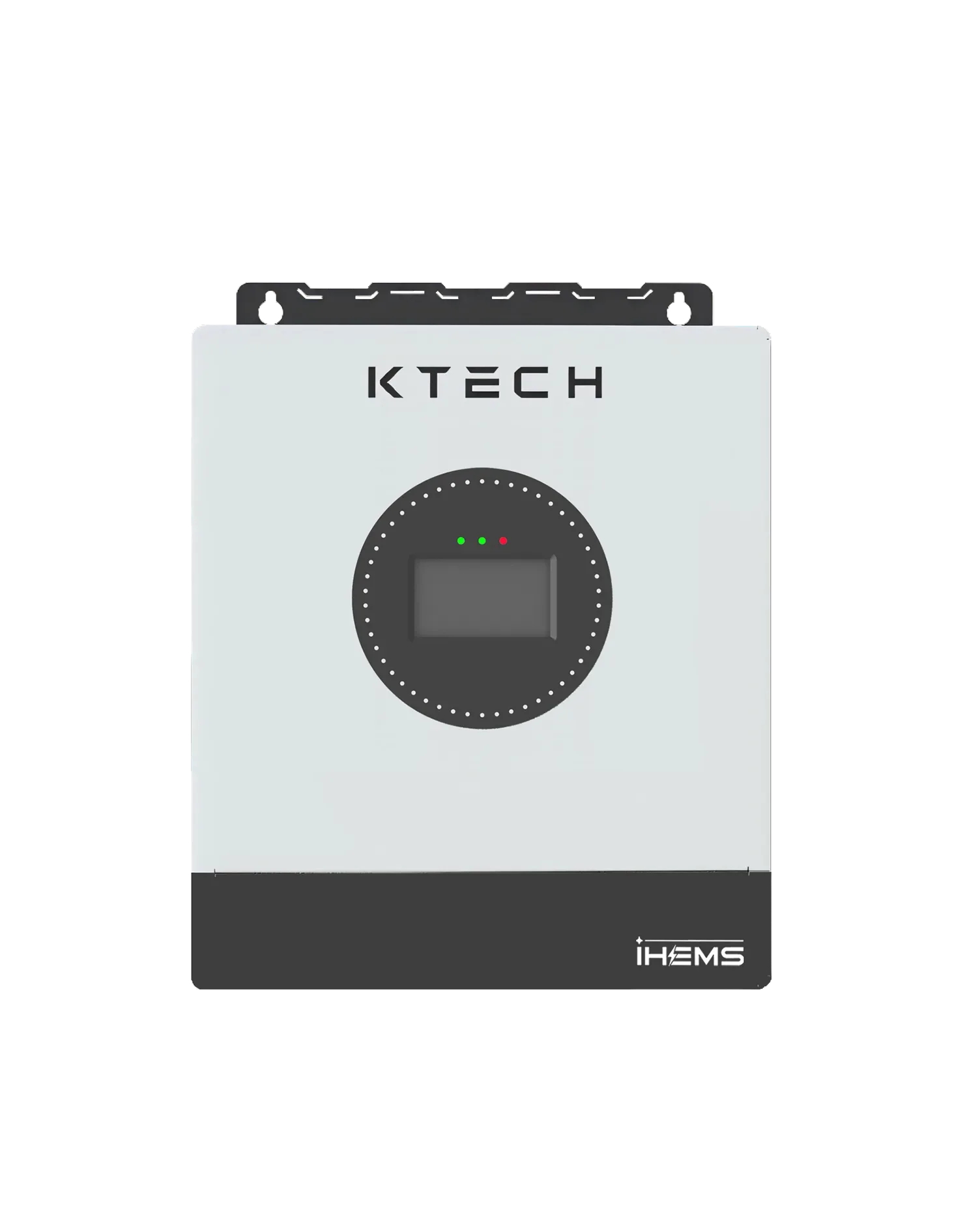
Our KE-6KC6L5UF model is designed for off-grid applications with a 6000W rated output power and 12000W peak output power. It provides a pure sine wave output, supports 120/240V AC output, and works with 48V battery systems. The model supports photovoltaic input up to 9000W and includes one MPPT tracker for solar energy management.
The product supports lithium iron phosphate and lead-acid batteries, providing flexibility for different energy storage configurations. It also includes communication options such as RS485, CAN, WiFi, and Bluetooth. Protection functions include overload protection, short-circuit protection, over-temperature protection, photovoltaic overvoltage protection, photovoltaic overcurrent protection, battery overvoltage protection, and surge protection.
Practical Factors Beyond Waveform Selection
Although waveform type is an important factor, inverter selection also depends on installation conditions, expected energy consumption, and future expansion plans. A complete solar system requires cooperation between solar modules, batteries, inverters, and electrical loads.
For example, an off-grid home may require stable power for daily appliances, while an agricultural project may need reliable operation for pumps and monitoring equipment. Different applications may require different configurations, which is why system planning should consider real operating conditions rather than only technical specifications.
Supporting Customized Solar Power Solutions
Every market has different requirements regarding voltage standards, installation environments, and customer expectations. At Ktech, we provide customized support based on application needs and continue improving our inverter solutions through engineering experience and product development capabilities.
Our approach focuses on helping distributors and partners provide suitable solar solutions through technical communication, product adaptation, and after-sales assistance. By combining research capabilities with practical application experience, we support long-term cooperation in different renewable energy markets.
Making the Right Inverter Choice
Understanding Pure Sine Wave vs Modified Sine Wave Inverters Explained allows users to make more informed decisions when planning solar energy systems. Pure sine wave inverters are generally suitable for applications requiring stable AC output and wider equipment compatibility, while modified sine wave models can support simpler electrical needs.
Selecting the right mppt off-grid inverter requires consideration of connected devices, solar capacity, battery configuration, and project goals. At Ktech, we work with partners to provide practical inverter options for different off-grid applications. Customers looking for suitable solar power solutions are welcome to contact us for further discussion.



