


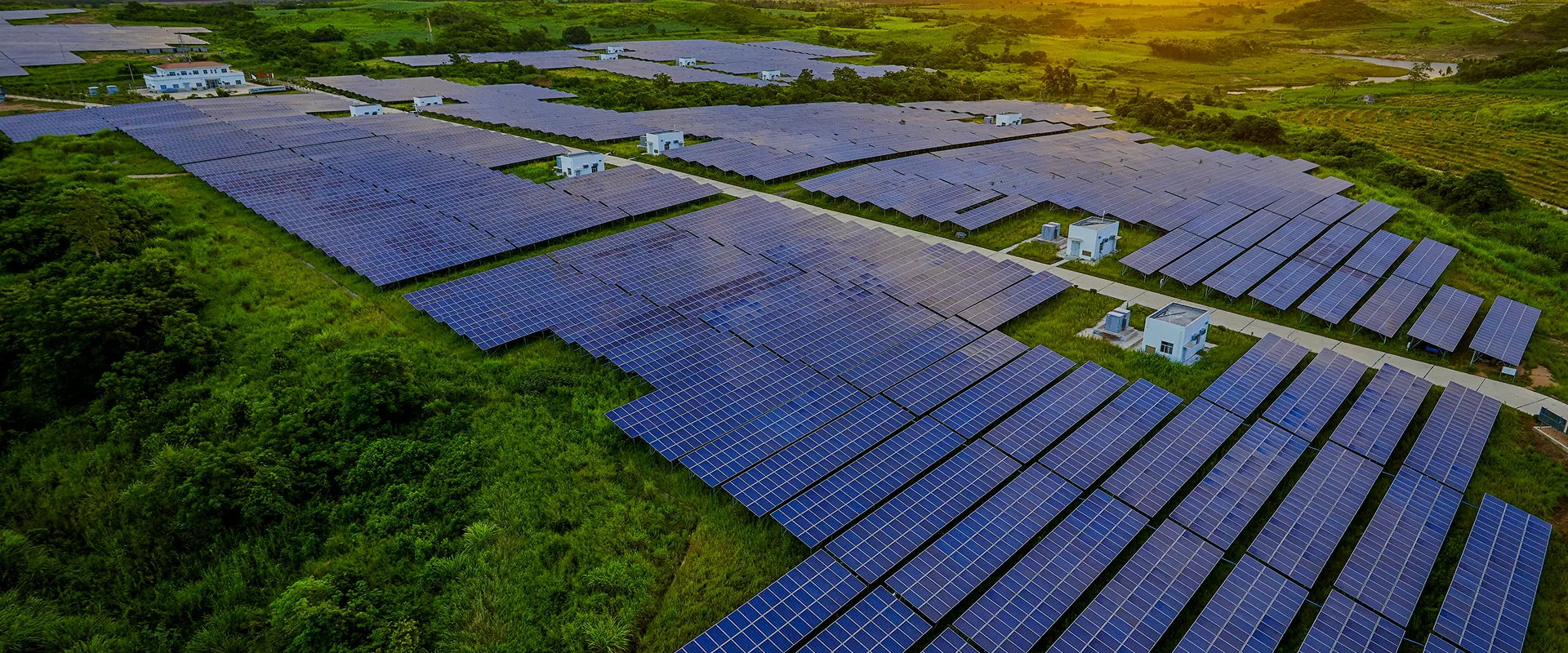
Hybrid microgrids combine several power sources to serve loads when one source alone cannot provide suitable coverage throughout the day. Solar generation can supply daytime demand, batteries can store surplus electricity, and diesel generators can provide additional power when required. This combination is often considered in remote sites and areas with weak grid infrastructure. Understanding off-grid solar solutions starts with understanding how these three resources work together rather than viewing them as separate devices.
At Ktech, we focus on inverter development and energy storage applications for overseas distributors, installers, and industry partners. Our in-house R&D capabilities support product customization for different project requirements and regional markets. We also provide training and after-sales support for partners. For businesses evaluating inverter products for hybrid energy projects, our team can discuss technical and customization requirements based on the intended application.
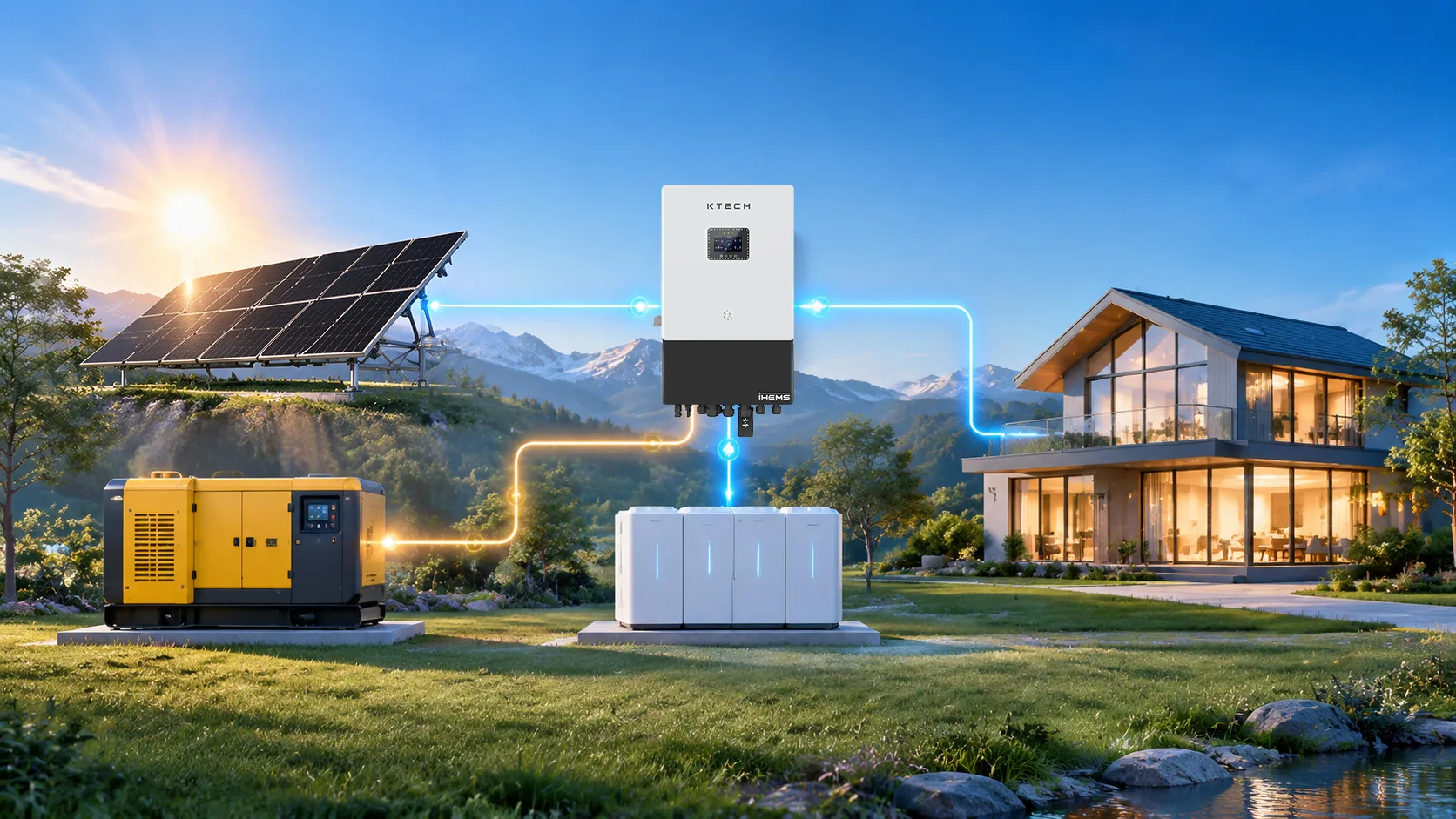
The Three Energy Sources Have Different Jobs
Solar panels generate electricity when sufficient sunlight is available. In a hybrid microgrid, solar power is often used directly by connected loads first. When generation exceeds current consumption, available surplus energy can be directed to battery storage, depending on the system design and operating strategy.
Batteries add flexibility because solar generation and electricity demand rarely follow the same schedule. Stored energy can be discharged after sunset, during cloudy periods, or when load demand rises above current solar output. Battery capacity, charge and discharge limits, and state of charge all affect how long this support can continue.
A diesel generator serves a different purpose. It can operate when solar generation and available battery energy are insufficient for the required load. This can be useful during prolonged low-solar periods or unusually high demand. The generator does not need to be the primary power source in a properly planned hybrid arrangement.
How Power Moves Through a Hybrid Microgrid
Consider a remote property on a sunny morning. As solar production increases, photovoltaic power can begin serving household or site loads. If production becomes higher than consumption, the remaining electricity may charge the battery. This can reduce the need to activate another power source while sufficient renewable energy is available.
Conditions change later in the day. Solar output falls toward evening, but electricity consumption may continue. The battery can then discharge to cover part or all of the demand. How the system responds depends on settings such as battery state-of-charge limits, load priority, and the control strategy configured for the installation.
If stored energy reaches its configured lower limit and solar production remains low, a diesel generator may be called on in a hybrid microgrid designed for generator integration. It can supply the loads and, in some system architectures, contribute to battery charging. The exact operating sequence depends on the equipment configuration and control design.
Why the Inverter Matters to System Operation
The inverter plays a central role between power generation, energy storage, and electrical loads. Solar panels produce DC electricity, while many household and commercial loads require AC power. Battery systems also operate on DC power, so conversion and control are central parts of the energy flow.
In a hybrid system, inverter selection should therefore consider more than rated output. Installers need to examine load characteristics, battery voltage requirements, photovoltaic input conditions, grid configuration where applicable, and communication between system components. Equipment should be matched to the actual electrical design instead of being selected from power ratings alone.
Control logic also affects how different sources are used. A project may prioritize solar consumption, preserve a defined battery reserve, or use another source only after stored energy falls to a specified level. These settings influence fuel use, battery cycling, and the availability of backup power.
Where Residential Energy Storage Fits
Residential systems illustrate how solar generation and battery storage can reduce dependence on an unreliable or costly external power supply. Our Residential Off-Grid Photovoltaic Energy Storage Solution is intended for private residences in areas with elevated electricity tariffs or insufficient grid infrastructure.
During periods of adequate solar irradiation, the system supplies designated loads while charging the battery bank. When solar energy is unavailable, grid electricity can be used to power the loads. This arrangement can reduce grid electricity consumption and help address power supply difficulties during periods of high demand.
This specific residential solution should not be confused with every solar-diesel-battery microgrid architecture. A project that requires diesel generation needs suitable generator integration, controls, and system engineering. For buyers comparing off-grid solar solutions, checking the actual source interfaces and operating logic is important before deciding whether a configuration fits the site.
System Sizing Starts With the Load Profile
A hybrid microgrid cannot be sized accurately from daily electricity consumption alone. Engineers also need to know when electricity is consumed. A site with a large evening load has different storage requirements from a site where demand is concentrated during sunny working hours.
Peak power is another consideration. Motors, pumps, compressors, and similar equipment can create short periods of higher demand during startup. The inverter and other electrical components must be selected with the relevant load characteristics in mind. Simply adding the wattage printed on equipment labels may not describe the complete operating requirement.
Solar resource conditions also matter. Seasonal irradiation, weather patterns, panel orientation, and available installation area affect expected photovoltaic generation. Battery sizing then depends on factors such as required backup duration, usable energy range, load priority, and the intended operating strategy.
What Buyers Should Check Before Planning a Project
For distributors, EPC contractors, and installers, component compatibility deserves attention early in the project. The inverter, battery system, photovoltaic array, control equipment, and generator interface must be considered as parts of one electrical architecture. Communication protocols and local electrical requirements can also affect equipment selection.
Local conditions should guide the design as well. A residential property, farm, telecom site, and small business can have very different load patterns. Buyers should define critical loads, expected operating hours, available solar resources, backup requirements, and applicable compliance needs before discussing equipment configuration with a supplier.
Building a Practical Hybrid Energy Strategy
Solar, diesel, and battery resources solve different parts of the same energy problem. Solar can reduce daytime fuel or external electricity use, batteries shift available energy across time, and diesel generation can provide additional support when renewable generation and stored energy cannot cover demand. Their value depends on correct sizing, control logic, and component matching.
For overseas distributors and installers developing these projects, Ktech focuses on inverter R&D, customization, product stability, and partner service, while battery products are incorporated as part of system solutions through cooperation with external suppliers.
We can discuss inverter configurations and localized requirements with partners preparing suitable energy systems for their markets. Project teams with specific application needs can contact us to review technical requirements before product selection.



