


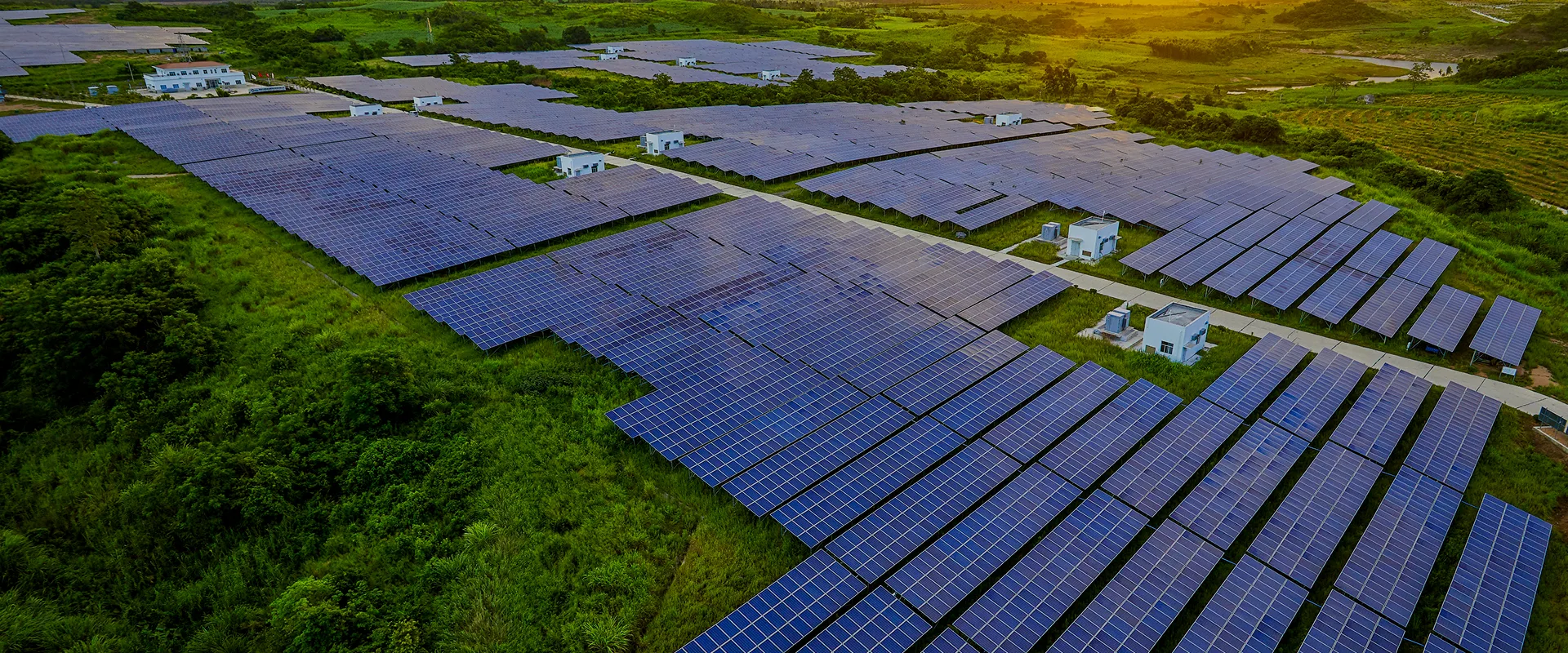
Agricultural operations worldwide rely heavily on consistent water access to sustain crop yields and maintain livestock health throughout the growing season. Traditional irrigation methods, however, face mounting economic challenges due to fluctuating diesel fuel prices and unreliable electrical grid connections in remote rural areas. To address these vulnerabilities, agricultural enterprises and system designers are turning to solar irrigation. This practical technology leverages photovoltaic arrays to drive water pumps directly, establishing an automated, self-sustaining flow that bypasses the limitations of conventional utility structures. By substituting fuel-burning engines with solar power, farms can stabilize their operating overhead, reduce environmental impact, and build a resilient water management system tailored to local geographic conditions.
At Ktech, we provide the robust, factory-based manufacturing foundation needed to support these remote agricultural installations. Utilizing our dedicated in-house R&D capabilities, we manufacture high-performance off-grid and hybrid inverters designed to withstand harsh outdoor environments. We focus on delivering high-level product customization, enabling overseas distributors, EPC partners, and regional system integrators to adapt hardware to specific agricultural configurations. Through our comprehensive technical training and responsive after-sales service support, we ensure that our global partners can deploy stable, long-term power solutions. We welcome detailed inquiries from international procurement managers and project technical leads seeking customized solar hardware for large-scale agricultural projects.
How Solar Irrigation Systems Work on Modern Farms
At its core, a solar irrigation setup is a direct energy conversion process that aligns electrical generation with water demands. Photovoltaic modules capture solar radiation and convert it into direct current (DC) electricity. Because standard water pumps often require alternating current (AC) to operate efficiently, an off-grid or hybrid inverter serves as the critical bridge, converting DC power to stable AC power.
The system regulates its output frequency dynamically depending on solar irradiance levels, ensuring the pump motor operates smoothly even under fluctuating cloud cover. On modern commercial farms, these systems are designed to pump water during peak sunshine hours into elevated storage reservoirs or tanks, effectively storing gravity-based potential energy instead of relying solely on expensive electrical battery arrays. This simple but highly effective system structure eliminates daily fuel costs and automates water delivery without the need for manual human intervention.
Essential Hardware Elements: What You Need for a Reliable remote power supply
Designing an agricultural irrigation network requires careful component matching to ensure system longevity. To build a highly resilient remote power supply, installers must source matched PV panels, specialized inverters, and appropriate water pumps.
High-capacity agricultural operations often utilize our 15/16kW split-phase off-grid inverters or our 30kW three-phase high-voltage hybrid inverters to handle the substantial starting currents required by commercial pumps. Additionally, system designers must integrate dynamic sensing arrays, such as water level sensors and dry-run protection switches, to protect submersed pumps from operating without liquid.
For regions with highly unstable solar profiles or continuous overnight watering requirements, integrating battery storage solutions through reliable external partnerships allows the system to store energy during midday peaks and discharge it overnight, ensuring that agricultural operations remain uninterrupted around the clock, providing peace of mind to farm operators.
System Sizing and Configuration for Farm Environments
To maximize irrigation system longevity and efficiency, precise hardware sizing is necessary. Procurement managers and system integrators must first calculate the total daily water volume requirement and the total dynamic head, which includes both vertical lift and frictional pipe losses. These metrics dictate the electrical horsepower needed by the pump motor.
Our 6/7kW North American off-grid inverters provide a suitable solution for smaller, localized agricultural applications, while large-scale farms benefit from more robust multi-inverter configurations. Sizing the PV array capacity to exceed the nominal rating of the inverter ensures that the system reaches its nominal operating output earlier in the morning and sustains it later into the afternoon, counteracting the effects of low-angle sunlight. This structural planning reduces overall equipment wear and optimizes solar yields without requiring expensive tracking hardware, ultimately lowering the total cost of ownership.
Solving Practical Agricultural Challenges: Unstable Grids and Peak Cost Mitigation
Agricultural installations face distinct operational challenges, including high ambient temperatures, dust exposure, and fluctuating electrical loads. Standard industrial pumps exhibit massive surge demands upon startup, which can trigger system faults in lower-grade power equipment. Utilizing stable, high-voltage inverters with robust surge capacities resolves this issue, ensuring high starting currents are handled safely.
Furthermore, in locations with unstable utility grid connections, a dual-input hybrid setup allows the system to prioritize solar power, draw from the grid only when solar generation drops, and switch automatically to battery back-up during complete utility outages. This real-time load-balancing capability prevents sudden drops in water line pressure, protecting delicate drip-irrigation networks and ensuring even water distribution across large cultivation fields, which is vital for crop health.
As agricultural sectors continue to modernize, establishing a reliable, self-contained energy architecture is essential for stabilizing food production costs and securing water resources. We at Ktech are committed to supporting our global business collaborators with our extensive renewable energy product portfolio. Our independent R&D facilities and robust manufacturing foundation allow us to supply stable inverter solutions that can be customized to meet the distinct needs of diverse agricultural environments. We focus on building deep, long-term development partnerships, providing our distributors, EPC contractors, and system integrators with supplementary technical training and dedicated after-sales support to improve localized installation success. For detailed technical specifications, product pricing, or to explore custom system integration possibilities, please contact our professional support team to submit your detailed inquiries.



