


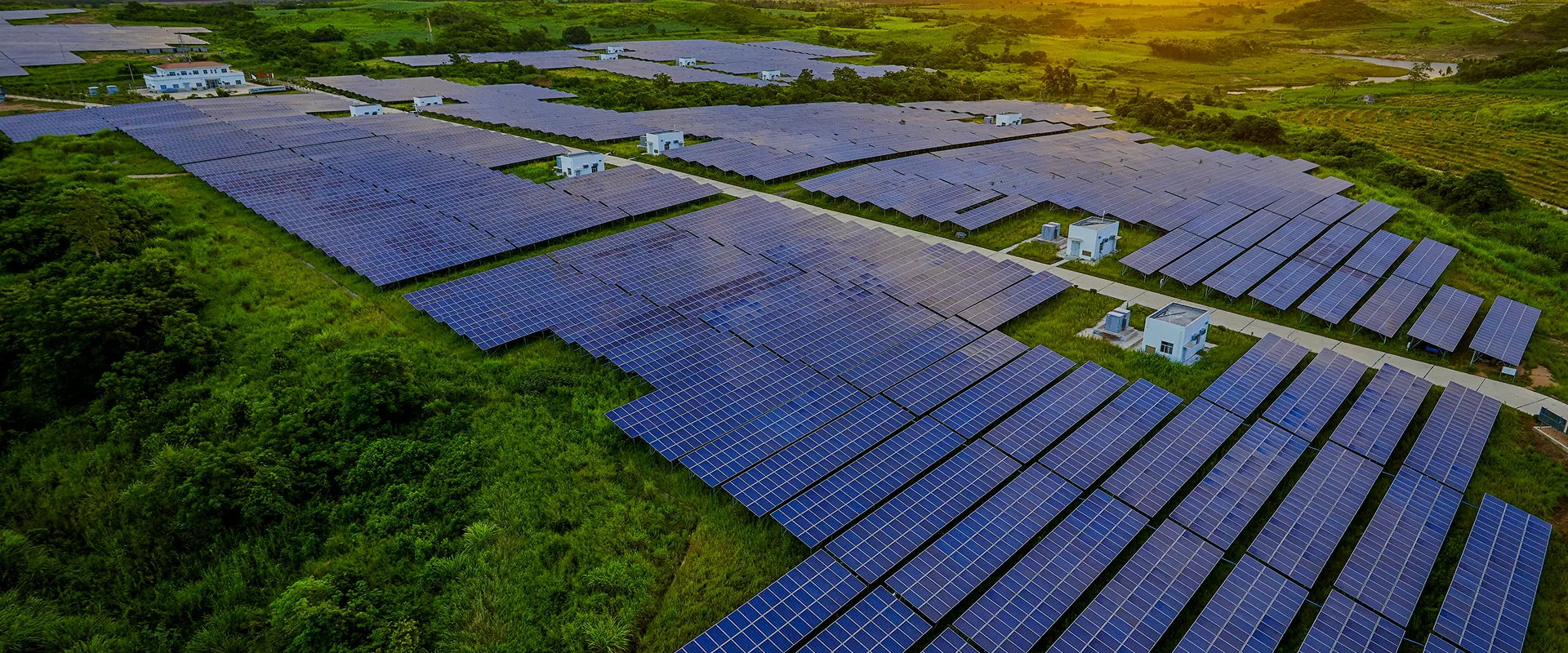
Solar power can reduce dependence on grid electricity, but solar production and electricity demand do not always occur at the same time. Homes may use more power in the evening, while solar panels generate more energy during daylight hours. A hybrid solar system with battery adds storage and flexible power management, allowing part of the daytime solar generation to be used later when direct solar output is lower.
At Ktech Solar, we focus on inverter development and provide customized energy solutions for overseas distributors, installers, and industry partners. Our in-house R&D capabilities allow us to adapt inverter solutions to different project and market requirements. We also provide training and after-sales support for partners. Companies planning solar and energy storage projects can contact us to discuss application needs and suitable inverter configurations.
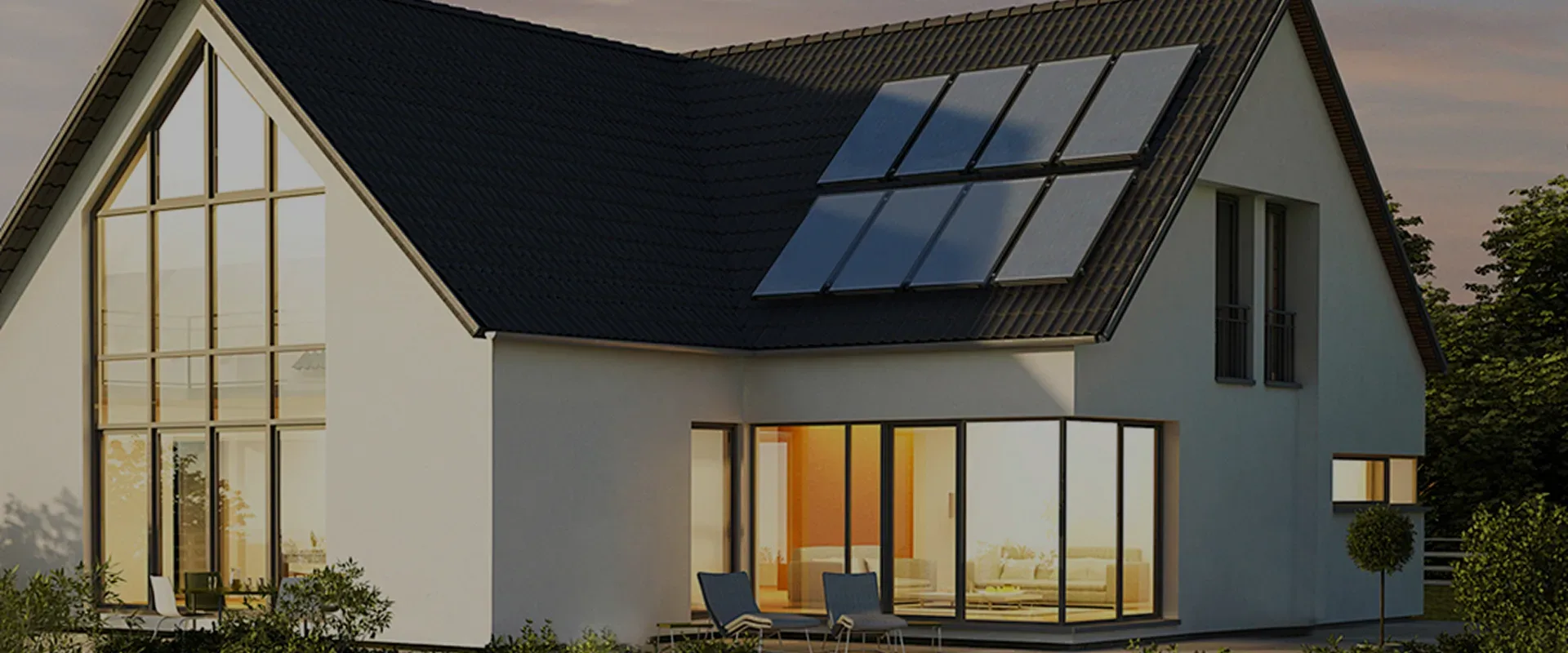
Why Energy Storage Changes the Value of Solar Power
A conventional grid-connected solar system mainly uses solar electricity when sunlight is available. When generation exceeds immediate consumption, surplus electricity may be exported to the grid. When solar output falls below demand, the property draws electricity from the utility network.
Battery storage changes how that solar electricity can be used. Instead of depending only on real-time generation, users can store part of the available solar energy and use it later. This is useful when household electricity demand rises after sunset or when solar generation temporarily decreases because of changing weather.
The financial effect depends on local electricity tariffs, solar resources, consumption patterns, equipment costs, and grid policies. Storage does not produce the same economic result in every location. Reviewing hourly or daily load patterns before selecting system capacity provides a more realistic basis for investment planning.
Grid Reliability Can Affect Long-Term System Value
Electricity cost is only one part of a long-term solar investment. Grid reliability also matters. In rural or remote areas, power interruptions can affect lighting, refrigeration, communication equipment, water pumps, and other electrical loads used during normal daily activities.
A hybrid inverter can support both grid-connected and off-grid operation when the complete system is configured for these functions. During normal grid conditions, solar generation can serve local loads. Surplus electricity may also be exported where the grid connection and local regulations allow this arrangement.
During an outage, an appropriately configured system can switch to off-grid operation and use available solar generation and stored energy for selected loads. Backup duration depends on battery capacity, battery state of charge, solar production, and actual electricity consumption. These factors should be calculated during system design rather than estimated from inverter power alone.
Long-Term Returns Depend on Energy Consumption Patterns
The value of solar storage should be considered over the operating period of the system rather than through initial equipment cost alone. Self-consumption is one important factor. Using more solar electricity on site can reduce the amount of electricity that needs to be purchased from the grid.
A hybrid solar system with battery can shift stored solar energy to periods when direct generation is low. This can be relevant in markets where electricity prices vary by time of use or where compensation for electricity exported to the grid is relatively limited.
System sizing affects this calculation. An unnecessarily large battery can increase initial expenditure without producing a proportional financial benefit. A battery with insufficient usable capacity may provide limited flexibility during evening demand or outages. Matching storage capacity to actual consumption is therefore an important part of long-term planning.
Different Properties Have Different Power Priorities
Residential properties and small business-related sites do not necessarily follow the same electricity pattern. A rural home with an unstable grid may place greater importance on backup capability. Another household with a relatively reliable grid may focus more on increasing the amount of solar electricity consumed on site.
Small farms and homestays can have different priorities again. Refrigeration, water pumps, lighting, communication devices, security equipment, or guest facilities may operate at different times. During a grid interruption, operators can identify critical equipment that needs backup instead of supplying every electrical load for the same period.
Load classification makes battery planning more practical. Installers can separate essential and non-essential loads, estimate operating hours, and check peak demand. Where equipment has a higher startup requirement, this should also be considered when selecting the inverter and planning the overall system configuration.
How Our Hybrid Solution Supports These Applications
These operating requirements are reflected in our Hybrid Photovoltaic Energy Storage Solution. The hybrid inverter supports both off-grid and grid-connected operation. One intended application is residential properties in rural or remote locations where the grid power supply can be unstable.
For residential use, the solution can support daily household electricity demand and switch to off-grid operation during a power outage. When surplus solar energy is available, electricity can also be fed back to the grid where local grid conditions, system configuration, and regulations permit.
The solution can also be applied to small farms, homestays, and similar establishments. Solar electricity can be consumed on site to reduce grid electricity purchases, while stored energy can support critical equipment when grid power is unavailable. This combines regular grid-connected operation with emergency backup for small-to-medium electricity consumption scenarios.
System Planning Goes Beyond One Equipment Specification
Inverter power and battery capacity are important, but they should not be considered separately from the property itself. A practical system assessment includes daily energy consumption, peak demand, expected solar generation, backup loads, installation conditions, and the amount of stored energy required during different operating periods.
Local grid requirements also need attention. Connection rules, technical standards, and certification requirements can differ between markets. Distributors, EPC companies, and installers should therefore check whether the selected inverter configuration corresponds with the regulations and electrical characteristics of the intended market.
Future electricity demand is another consideration. A home may add appliances, while a farm or homestay may install new electrical equipment as operations change. Discussing expected load changes during the planning stage can help determine whether the initial system configuration has suitable capacity for the intended application.
Making a Hybrid Solar Investment Work Over Time
Hybrid solar storage can be a practical long-term investment when system capacity reflects real electricity demand, local tariffs, grid reliability, and backup priorities. Its value comes from coordinating solar generation, stored energy, grid electricity, and load requirements. Careful load analysis and suitable system sizing are therefore more useful than selecting equipment based only on a single capacity figure.
At Ktech Solar, we support overseas distributors, agents, and installers with inverter-focused solutions, in-house R&D capabilities, customization support, training, and after-sales services. Battery products are incorporated into overall system solutions through cooperation with external suppliers. Partners evaluating hybrid photovoltaic projects can contact us to discuss local requirements, application conditions, and suitable inverter configurations for their target markets.



